Introduction
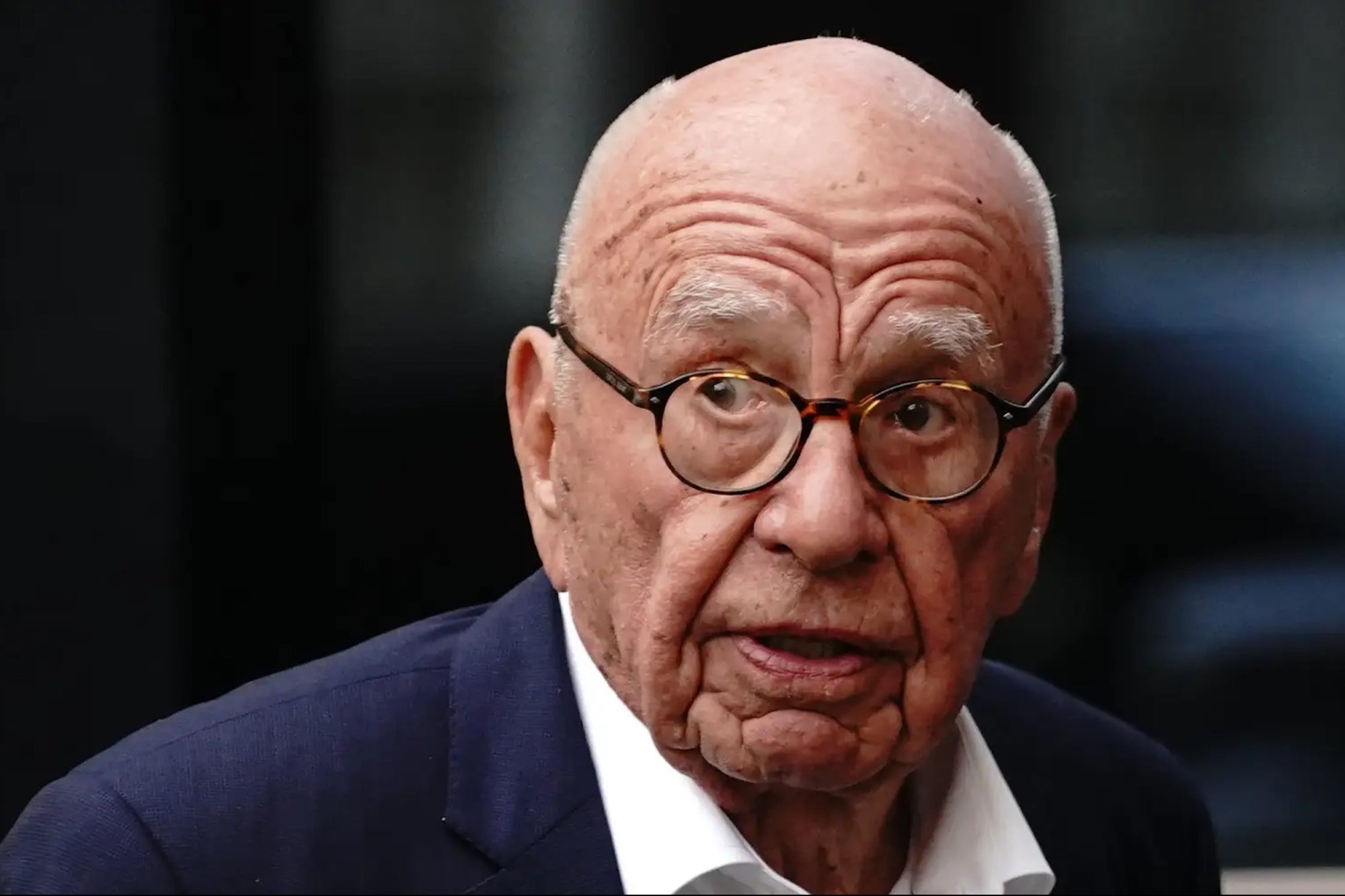
Rupert Murdoch, the 92-year-old media mogul, has long been a dominant figure in the global media landscape. His influence extends across continents, shaping public opinion and political discourse through his extensive network of newspapers, television channels, and online platforms. As Murdoch steps down from active management roles, the significance of his legacy and the evolution of media in the digital age have become pressing topics for discussion.
Murdoch’s Media Legacy
Born in Australia, Murdoch began his media career by inheriting a small newspaper in Adelaide. Over the decades, he expanded his empire, acquiring notable assets like The Times, The Sun, and the Wall Street Journal. His company, News Corp, has not only been instrumental in the rise of tabloid journalism but also in pioneering the merger of print and digital platforms.
The recent announcement that Rupert Murdoch would be stepping back from his role as chairman of Fox Corporation and News Corp marks the end of an era. His son, Lachlan Murdoch, is expected to take over, continuing the family’s media legacy amidst increasing scrutiny over the role media plays in modern society. This transition has sparked conversations about the future trajectory of the organisation and its impact on news reporting.
Current Events and Influence
Murdoch’s media outlets have frequently been at the centre of controversy, particularly in relation to political coverage. Notably, Fox News has faced allegations of bias and misinformation, especially surrounding the 2020 U.S. Presidential elections. Investigative reports have revealed internal communications expressing concern over the spread of false claims, leading to significant legal challenges and public criticism.
In recent months, Murdoch’s media empire has been adapting to the challenges posed by a shifting media landscape, where misinformation and digital platforms dominate. The focus on new revenue streams, such as subscription models and digital advertising, highlights the changes in consumer habits and the demand for trustworthy journalism.
Conclusions and Future Outlook
As Rupert Murdoch transitions away from daily operations, questions remain about the resilience of his media empire in an era defined by rapid technological advancement and evolving audience expectations. While critics argue about the ethical implications of his media influence, advocates contend that his innovations and business acumen have transformed the landscape of journalism.
With Lachlan Murdoch at the helm, the media industry will be watching closely to see how the company adapts to the digital era’s challenges, including competition from streaming services and social media platforms. The ultimate impact of Murdoch’s legacy will continue to be debated, but his footprint on global media is undeniable.