Introduction
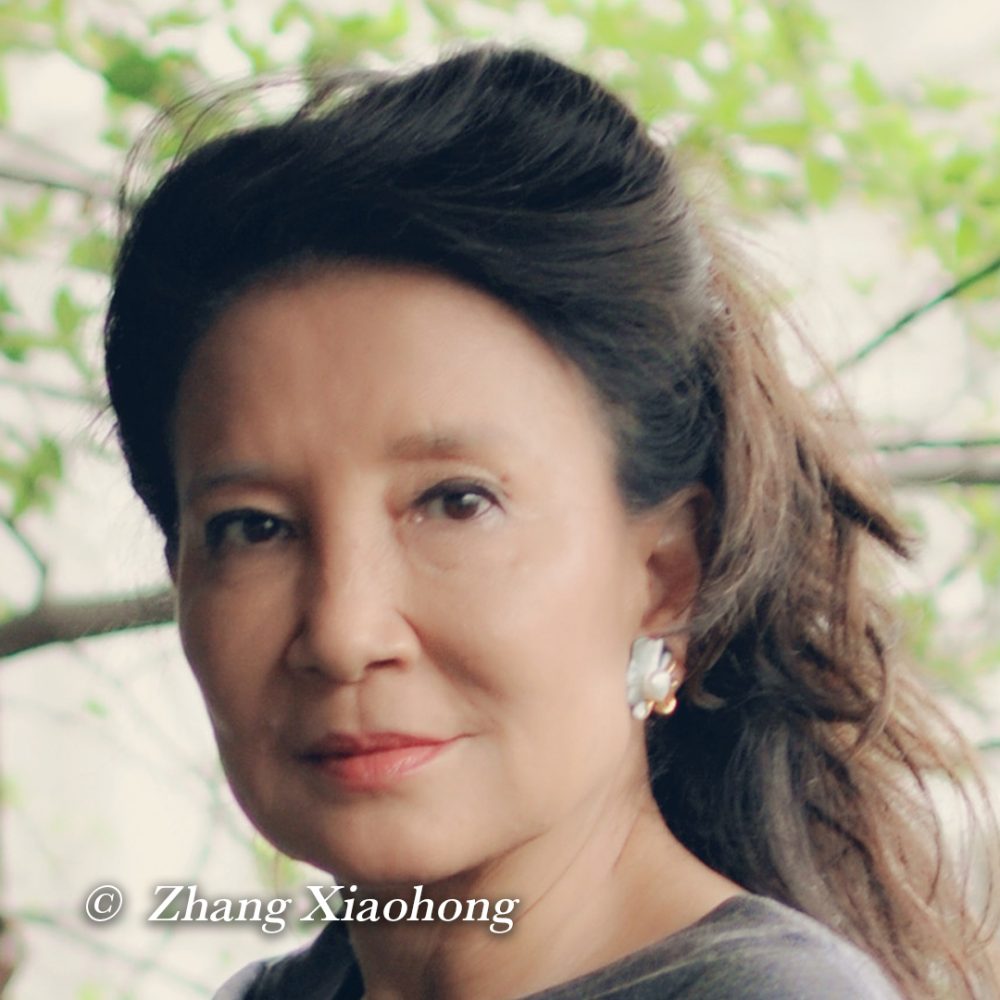
Jung Chang, a prominent Chinese-British author, has made significant contributions to literature through her evocative narratives that explore complex historical themes. Her bestselling memoir, ‘Wild Swans’, provides a personal account of the impact of political upheaval in China on individual lives. Chang’s work resonates not only with readers but also serves as a crucial educational tool for understanding China’s tumultuous past.
Main Contributions
Born in 1952 in Yunnan, China, Jung Chang’s literary career began with the publication of ‘Wild Swans’ in 1991. The book chronicles the life stories of three generations of women in her family against the backdrop of political turmoil in China, including the fall of the Qing Dynasty, the rise of Mao Zedong, and the Cultural Revolution. It has sold over 15 million copies worldwide, translated into more than 30 languages, cementing its status as an essential narrative in modern literature.
Chang’s analysis of these historical periods not only offers a deeply personal perspective but also sheds light on broader social and political phenomena, making her work relevant to global discussions on authoritarianism, feminism, and cultural identity. Following ‘Wild Swans’, she co-authored ‘Mao: The Unknown Story’ with Jon Halliday, which critiques the legacy of Mao Zedong, further establishing her commitment to unveiling historical truths.
Recent Developments
In recent years, Jung Chang has remained active in literary and social discussions, participating in international literary festivals and engaging with modern readers through social media. Her work continues to inspire a new generation of writers and historians who seek to tell the untold stories of marginalized voices. In 2023, she was seen advocating for freedom of expression amid increasing censorship in various parts of the world, which resonates with themes discussed in her writing.
Conclusion
Jung Chang’s contributions to literature and historical discourse are invaluable. Her unique narrative style and commitment to exploring the complexities of Chinese history have made her a pivotal figure in contemporary literature. As readers continue to seek authentic stories that challenge dominant narratives, Chang’s work remains significant and relevant. Looking forward, her influence is likely to grow, especially as discussions about history, identity, and freedom of expression become increasingly critical in our global society.