Introduction
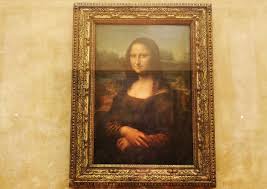
The Mona Lisa, painted by the legendary artist Leonardo da Vinci in the early 1500s, is renowned as one of the most famous and recognised works of art globally. Its theft in 1911 is not only a fascinating story of intrigue and art crime but also a pivotal moment that transformed the painting into a symbol of cultural importance. The event continues to captivate historians, art enthusiasts, and the general public alike, underlining the interplay between art and crime.
The Theft
The theft of the Mona Lisa occurred on August 21, 1911. An Italian handyman named Vincenzo Peruggia concealed himself in the Louvre Museum overnight and, disguised as a museum worker, absconded with the painting the next morning. Peruggia believed the painting belonged in Italy, asserting that it had been stolen by Napoleon during his conquests. His motivation was both patriotic and personal, as he sought to return the artwork to its homeland.
Public Reaction
Upon discovering the theft, the Louvre authorities were in a state of shock. The following day, the news spread like wildfire, causing a media frenzy that catapulted the Mona Lisa into the limelight. As the story captured the imagination of the public, the painting transformed from a revered artwork to an icon of national pride. It was during this period that the significance of the Mona Lisa grew exponentially, as it became a subject of intense media coverage and public discourse.
Recovery and Legacy
After two years of intrigue, Peruggia was apprehended in December 1913 when he attempted to sell the painting to an art dealer in Florence. The Mona Lisa was safely returned to the Louvre and reclaimed its place in history. This audacious theft and its subsequent resolution led to a heightened interest in art security and the methods employed by museums worldwide to protect valuable works.
Conclusion
The theft of the Mona Lisa is more than just an art heist; it has left an indelible mark on the history of art and culture. It underscored the profound psychological connections people have with art and the lengths they will go to protect or steal it. Today, the painting continues to draw millions of visitors to the Louvre Museum, serving as a testament to its enduring legacy as a masterpiece that ignites curiosity and fascination. As art theft remains a concerning issue globally, the story of the Mona Lisa serves as a critical reminder of the delicate balance between art, ownership, and cultural heritage.



