Introduction
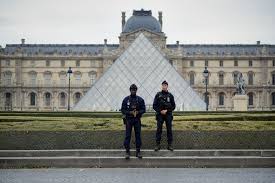
The art world was recently shaken when news broke of the infamous Louvre robbers whose heist became a viral sensation across media platforms. This brazen robbery at one of the world’s most revered museums has reignited discussions surrounding art security, criminal investigations, and the implications of art theft on cultural heritage. The Louvre, home to thousands of invaluable artworks, has set a high benchmark for security, making this incident particularly alarming.
The Heist: Details and Events
On June 14, 2023, a group of three highly coordinated individuals managed to infiltrate the Louvre Museum during its busy afternoon hours. The robbers, who donned costumes reminiscent of museum staff, executed their plan with remarkable precision. They made their way to a section housing some of the museum’s lesser-known but critically important works, reportedly taking advantage of a moment of distraction during a scheduled maintenance operation.
The stolen items included several pieces from the 18th century, notably a pair of exquisite porcelain vases valued at over €1 million. The museum’s security footage revealed that the robbers spent less than eight minutes inside the premises, demonstrating a well-executed plan that could rival any heist seen in Hollywood.
The police launched an immediate investigation, employing extensive resources, including the analysis of CCTV footage and forensics, to track down the thieves. Collaborations with international art theft experts ensued as investigators recognised the potential impacts of this robbery on global art trafficking networks. Additionally, experts warned that the theft could encourage copycat incidents, heightening the urgency for museums worldwide to bolster their security measures.
Conclusion: Significance and Future Implications
The audacious robbery at the Louvre has raised critical questions about the security of cultural institutions worldwide. As investigations continue, the art community watches closely, hoping to retrieve the stolen pieces while ensuring additional preventative measures are put in place to safeguard invaluable collections from future thefts. Many experts advocate for the use of advanced technology, including biometric scanning and AI-driven surveillance systems, to enhance protection against such orchestrated crimes. In the wake of this heist, institutions globally are urged to review and upgrade their security protocols, not just to protect the artworks but the cultural legacy they represent.