Introduction
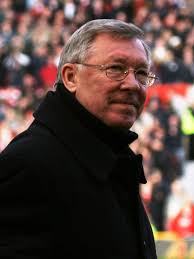
Sir Alex Ferguson, a name synonymous with football excellence, is celebrated as one of the most successful managers in the sport’s history. His career, particularly his 26-year tenure at Manchester United, has left an indelible mark not just in the Premier League but across the globe. As football fans and analysts reflect on his contributions, it’s clear that Ferguson’s influence extends beyond victories and trophies.
Ferguson’s Journey in Football
Born on December 31, 1941, in Glasgow, Scotland, Ferguson began his managerial career at East Stirlingshire before moving on to St. Mirren. His pivotal moment came at Aberdeen, where he led the club to their first league title in 15 years and a famous victory against Real Madrid in the 1983 Cup Winners’ Cup.
In 1986, Ferguson joined Manchester United, a club struggling to reclaim its former glory after years of mediocrity. The first few years were challenging; however, his relentless work ethic, keen tactical mind, and ability to develop young talent eventually transformed United into a footballing powerhouse.
Achievements at Manchester United
Under Ferguson’s stewardship, Manchester United achieved remarkable success, including 13 Premier League titles, five FA Cups, and two UEFA Champions League titles. His last Premier League title in 2013 was particularly poignant as it marked the end of an era. Ferguson’s ability to adapt, innovate, and motivate his players were key to his longevity in the game.
Beyond trophies, Ferguson was known for his fierce rivalry with other prominent managers, fostering a competitive atmosphere that elevated the league’s profile. His managerial style, often characterized by a ‘never give in’ mentality, inspired not only his own teams but also future managers around the world.
Ferguson’s Influence Beyond Management
After his retirement in 2013, Ferguson continued to contribute to the game through various roles including as a director at Manchester United and through mentorship of emerging managers. His autobiography, published in 2013, provides deeper insights into his management philosophy and life in football.
Conclusion
The significance of Sir Alex Ferguson in the world of football cannot be overstated. His extensive list of accolades and the profound respect he commands is a testament to his dedication and passion for the sport. As football evolves, the principles that Ferguson championed endure, providing a guiding light for aspiring managers and players. The legacy of Sir Alex Ferguson is not just about the trophies; it encapsulates the spirit of perseverance and excellence that continues to inspire millions around the globe.