Introduction
The term ‘wetter’ holds significant relevance in today’s climate discourse, particularly as regions across the globe experience increased rainfall and shifting weather patterns. Understanding what contributes to these wetter conditions is crucial for preparedness, infrastructure planning, and climate resilience. In light of recent extreme weather events, the subject has gained urgency and importance for communities and policymakers alike.
Current Weather Trends
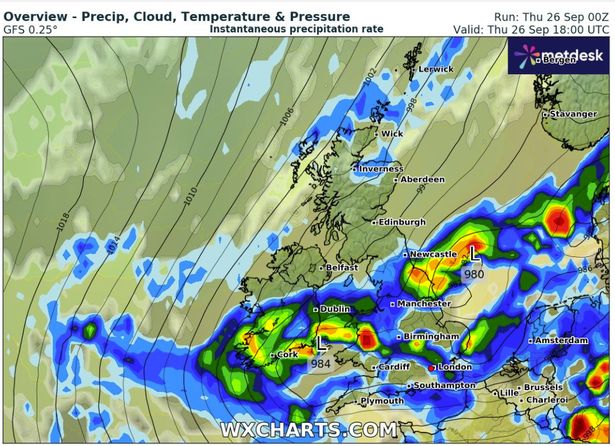
Recent studies indicate that many areas are witnessing unprecedented levels of rainfall. The UK Met Office reported that October 2023 was one of the wettest months in recent history, with average rainfall surpassing 150% of the normal levels in some regions. The heavy rainfall has a direct link to climate change, resulting in more intense and frequent weather events. This phenomenon is often attributed to an increase in atmospheric temperatures, which can hold more moisture, subsequently leading to heavier precipitation during storms.
Effects on the Environment and Society
The consequences of wetter weather are multifaceted, impacting ecosystems, agriculture, and urban infrastructure. Flooding remains a critical concern, particularly in low-lying areas. Communities across northern England have reported significant damage to homes and roads due to flooding. Furthermore, agricultural sectors face challenges with soil saturation and crop viability, leading to potential food supply issues. A recent report by the Environment Agency indicated that adequate flood defences and drainage solutions are essential to mitigate these risks.
Future Forecasts
With predictions for continued wetter conditions in the coming years, climate scientists advise that communities prepare for not only heavy rainfall but also the broader implications of climate change on weather patterns. Adaptive strategies, such as improving drainage systems and advancing flood resilience measures, are becoming increasingly necessary. The integration of sustainable practices in urban planning is vital to ensure communities can withstand the challenges posed by wetter weather.
Conclusion
The phenomenon of wetter weather is a pressing issue that demands the attention of governments, businesses, and individuals alike. With the frequency of extreme precipitation events set to increase, the importance of understanding the implications is paramount. By addressing the challenges posed by wetter conditions through proactive measures and sustainable practices, societies can better prepare for the impacts of climate change while protecting their communities and environments.