Introduction
As climate change contributes to unpredictable and severe weather patterns, the significance of weather warnings has never been more critical. These alerts play a vital role in ensuring public safety, as they inform citizens about potential hazards such as storms, floods, and extreme temperatures. This article explores the different types of weather warnings issued in the UK and their relevance in our daily lives.
Types of Weather Warnings
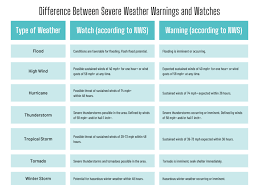
In the UK, the Met Office is responsible for issuing weather warnings that categorise conditions into three main levels: Yellow, Amber, and Red. Each level corresponds to the severity of the weather conditions expected:
- Yellow Warning: This indicates that the weather could be disruptive but is unlikely to cause significant impact. Advisories may include travel disruptions and minor flooding.
- Amber Warning: This alert suggests that the weather is likely to cause short-term impacts, leading to possible delays and restrictions in transport and the potential for disruption to services.
- Red Warning: The most severe warning, indicating exceptional conditions that pose a danger to life. A Red Warning signals urgent action and preparedness as it could lead to substantial impacts on infrastructure and emergency services.
Recent Events and Alerts
In recent weeks, the UK has experienced a series of weather warnings due to heavy rainfall and strong winds affecting several regions. The Met Office issued Amber and Yellow weather warnings across areas such as Scotland and Northern Ireland, indicating potential flooding and disruption. These warnings prompted authorities to prepare emergency measures, assist vulnerable communities, and advise the public to stay informed and cautious.
Importance of Staying Informed
Weather warnings are essential for the safety and preparedness of the public. With real-time updates through various platforms like television, radio, and mobile alerts, individuals can take necessary precautions, including securing their homes and planning their travel routes. Moreover, understanding these warnings helps communities work together in mitigating risks associated with severe weather.
Conclusion
The relevance of weather warnings in the UK cannot be overstated, especially as we face the increasingly erratic patterns of climate change. Staying informed and responding swiftly to these alerts can save lives and prevent damage to property. As we move into winter, it is crucial for citizens to pay attention to the advice from meteorological services and prepare adequately for whatever weather may come our way. Understanding and acting on weather warnings are vital strategies for community resilience and individual safety.