Introduction
As climate change continues to affect global weather patterns, the significance of weather warnings has never been more critical. These alerts are designed to inform the public about potentially dangerous weather conditions, helping individuals prepare and respond appropriately. In recent years, extreme weather events such as hurricanes, floods, and heatwaves have underscored the need for timely and accurate weather warnings, making it essential for communities to stay informed.
What are Weather Warnings?
Weather warnings are official announcements issued by meteorological organisations to alert the public of expected severe weather. These warnings can vary in severity, including:
- Advisories: These indicate conditions that may cause inconvenience and could affect travel or outdoor activities.
- Watches: A watch means that severe weather is possible; however, the exact timing and location are uncertain.
- Warnings: A warning indicates that severe weather has been spotted or is imminent, and action should be taken to ensure safety.
Recent Weather Events and Warnings
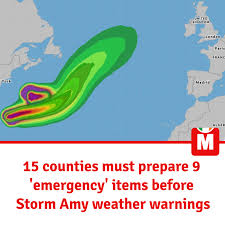
In October 2023, severe weather warnings were issued across large parts of the UK as an unusually powerful low-pressure system approached. This system brought strong winds and heavy rain, prompting authorities to advise citizens to stay indoors and secure outdoor belongings. The Met Office issued multiple yellow warnings, indicating potential disruptions to travel and risk of flooding in various regions.
Similarly, areas like Scotland faced amber warnings for heavy rainfall, which could lead to significant flooding. Local councils and emergency services prepared to respond quickly, showcasing the importance of weather warnings in mitigating risks. Many communities used social media and broadcasting channels to disseminate these warnings, allowing for an immediate response from the public.
The Role of Technology in Weather Warnings
Advancements in meteorological technology have significantly improved the accuracy of weather forecasting and warnings. High-resolution models and satellite data allow meteorologists to predict weather patterns with greater precision, leading to timely alerts. Additionally, mobile applications and alert systems enable real-time updates, keeping the public informed of changing conditions.
Conclusion
Weather warnings play a vital role in public safety, guiding individuals and communities in taking proactive measures against potentially dangerous conditions. As climate change drives more extreme weather events, staying informed and responsive to these warnings will be essential in safeguarding lives and property. Local communities and governments must prioritise clear communication and accessibility of weather information for all, ensuring people are prepared for whatever nature may bring.