Introduction to Vitamin D
Vitamin D, often referred to as the “sunshine vitamin,” is a crucial nutrient that plays a vital role in maintaining overall health and wellbeing. Its importance has been underscored by recent studies that illustrate its benefits not only for bone health but also for immune function and chronic disease prevention. With the changing lifestyles and reduced sunlight exposure, especially during the UK’s long winters, understanding vitamin D’s significance has become increasingly relevant.
Current Research on Vitamin D
Recent research has revealed alarming statistics about vitamin D deficiency. A study published by Public Health England in 2022 found that approximately 1 in 5 UK adults and 1 in 10 children are deficient in this essential vitamin. This deficiency is linked to various health issues, including osteoporosis, cardiovascular diseases, and increased susceptibility to infections. In response, health authorities are recommending that individuals consider vitamin D supplementation, particularly during the autumn and winter months when sunlight is scarce.
Sources of Vitamin D
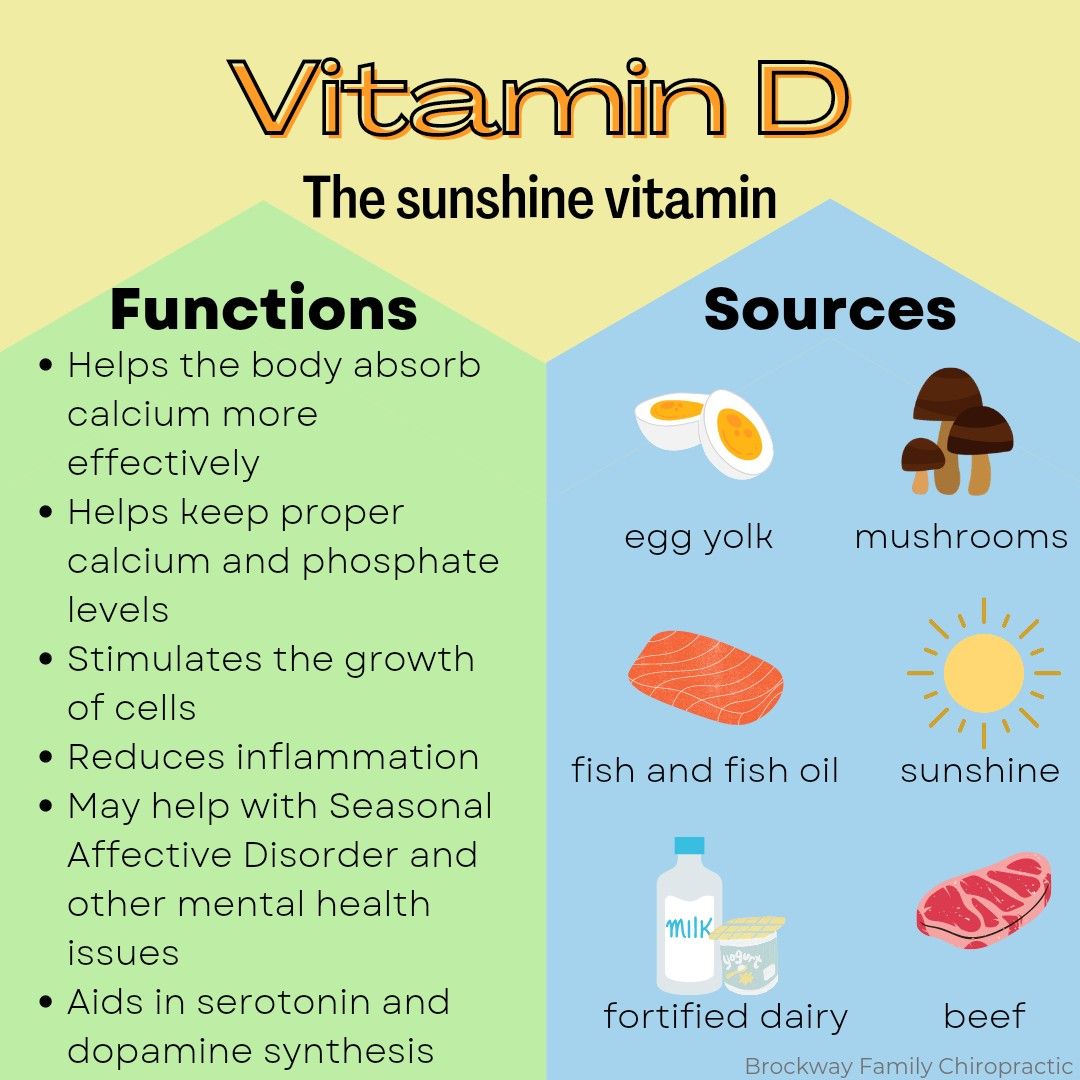
Vitamin D can be obtained from various sources. The most effective way is through sunlight exposure, which triggers vitamin D synthesis in the skin. However, for individuals living in the UK, especially during the colder months, dietary sources become crucial. Foods rich in vitamin D include fatty fish (like salmon), fortified dairy products, and egg yolks. Despite these sources, it can be challenging for many to meet the recommended intake through diet alone.
Health Implications
The health implications of maintaining adequate vitamin D levels are significant. Research has shown that sufficient vitamin D levels may play a role in reducing the risk of respiratory infections and even severe outcomes associated with COVID-19. Furthermore, emerging studies are investigating its potential impact on mental health, with some findings suggesting a link between low vitamin D levels and increased risks of depression and anxiety.
Conclusion: A Call to Action
As the evidence around vitamin D continues to grow, it is clear that both public awareness and personal health measures must evolve. Individuals are encouraged to assess their vitamin D status, especially if they fall into higher-risk categories for deficiency. Healthcare professionals may recommend regular blood tests to evaluate vitamin D levels, and accordingly, vitamin D supplements can be a simple yet effective solution to combat deficiency. By prioritising vitamin D intake through sensible sun exposure, dietary choices, and supplementation, individuals can take significant steps towards improving their health and overall quality of life.