Introduction
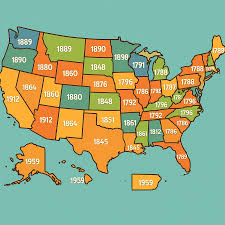
The United States of America is made up of 50 unique states, each with its own history, culture, and significance. Understanding the role of these states is crucial not only for grasping the diversity within the nation but also for recognising how they collectively contribute to the political and economic landscape of the country. In recent events, issues such as state governance, economic recovery post-COVID-19, and climate change adaptation have brought the importance of individual states into sharper focus.
Diversity Among the States
The US states vary dramatically in terms of geography, population, and economic profile. For instance, California, known for its entertainment industry and technological innovations, is the most populous state, while Wyoming has the smallest population but represents vast natural resources. Moreover, states like Texas and Florida are often cited as economic powerhouses, with their significant contributions to the national GDP. In contrast, states in the Midwest, such as Iowa and Nebraska, play critical roles in agriculture, supplying a large portion of the nation’s food.
Recent Developments
In recent months, several states have taken the lead on critical issues. For example, California has set aggressive targets for carbon neutrality by 2045, cementing its role as a leader in climate change initiatives. Conversely, states like Florida and Texas have been at the forefront of various legislative battles surrounding public health policies and education. This divergence in state policies highlights how state governance impacts local communities and national debates.
The Significance for Readers
For readers, understanding the structure and function of US states is vital. With the upcoming elections, state politics will significantly influence national decisions on healthcare, education, and climate policies. Additionally, as states adapt to economic changes, recognising the strengths and weaknesses of different states can provide insights into where to invest or relocate. As more Americans engage in discussions about states’ rights and responsibilities, being informed about each state’s unique context can foster more meaningful conversations.
Conclusion
The states of the United States are not merely geographical divisions; they are integral to the fabric of the nation. From diverse economies to distinct cultural legacies, each state contributes to a rich tapestry that defines American identity. As current events unfold, particularly in the realms of governance and societal issues, the importance of understanding US states becomes increasingly apparent. Looking ahead, monitoring state-level decisions will be crucial for anticipating shifts in the national landscape.