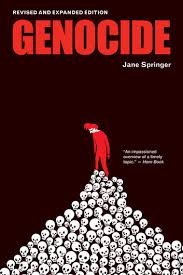
The Significance of Genocide
Genocide remains one of the most heinous crimes against humanity, defined by the United Nations as acts committed with intent to destroy, in whole or in part, a national, ethnic, racial or religious group. The recognition and prevention of genocide are crucial not only for the victims and their communities but also for the global society. Understanding the factors that lead to genocide can help prevent future atrocities and make the world a safer place for all.
Historical Context
Throughout history, there have been numerous instances of genocide that have left deep, lasting scars on humanity. From the Holocaust during World War II, where six million Jews were systematically exterminated, to the Rwandan Genocide in 1994, which resulted in the deaths of approximately 800,000 Tutsis in just 100 days, these events highlight the critical need for vigilance in the face of hate. Each act of genocide teaches crucial lessons on the importance of tolerance and understanding among diverse communities.
Current Events and Relevant Statistics
As of 2023, several regions around the globe are grappling with the aftermath of past genocides while also facing the threat of new ones. The plight of the Rohingya people in Myanmar and the ongoing violence against ethnic minorities in different areas are contemporary reminders of the dangers that lurk when societies fail to uphold human rights. Reports from advocacy groups indicate that genocide conditions are being assessed and, alarmingly, in some locations, indicators such as systemic discrimination, hate speech, and escalating violence are being observed.
Global Efforts and Challenges
In response to past tragedies, international bodies such as the United Nations have established mechanisms aimed at preventing genocide. The Responsibility to Protect (R2P) doctrine compels nations to step in when a state fails to protect its populations from genocide, war crimes, ethnic cleansing, and crimes against humanity. However, challenges remain. Political complexities, national sovereignty, and geopolitical interests often impede effective action, leaving vulnerable populations at risk.
Conclusion: Moving Forward
Understanding genocide is not just a matter of historical curiosity; it is an urgent call to action. By recognising the signs and mobilising international responses, the goal remains to prevent genocide before it occurs. It is imperative for individuals and governments alike to foster an environment of dialogue, education, and mutual respect. Only through collective action can we hope to create a future where such atrocious acts are relegated to history, rather than being a grim possibility in the present.