Introduction
The seasonal flu jab has emerged as a critical component in public health strategies, particularly as influenza continues to pose a significant threat to individuals and healthcare systems globally. With the COVID-19 pandemic highlighting the importance of vaccinations, the flu jab has taken centre stage once more, ensuring that both vulnerable populations and the general public are shielded against the highly contagious influenza virus.
Recent Developments
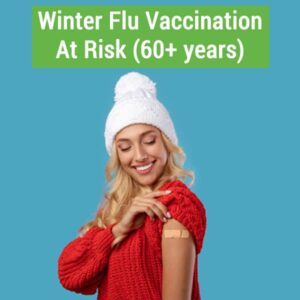
This year, the UK government has expanded its flu vaccination programme, aiming to protect the most vulnerable demographics against potential outbreaks. According to the latest data from the National Health Service (NHS), over 28 million people are targeted to receive the flu jab, including those aged 50 and over, individuals with underlying health conditions, and pregnant women.
The 2023 flu season poses additional challenges due to the co-circulation of respiratory viruses, including COVID-19 and RSV (Respiratory Syncytial Virus). Experts warn that the combination of these viruses could lead to increased pressure on the NHS, making the flu jab even more crucial this year. Vaccination not only reduces an individual’s risk of contracting flu but also lessens the severity of the disease should they contract it, minimising hospitalisations and strain on healthcare resources.
Public Awareness and Acceptance
Public awareness campaigns are in full swing as health officials strive to educate communities about the importance of the flu jab. The UK government, alongside the NHS, has launched several initiatives aimed at dispelling myths surrounding the flu vaccine and emphasising its safety and efficacy. As of now, vaccination rates have climbed steadily, but health authorities stress that continued efforts are necessary to ensure widespread acceptance amongst the population. Misinformation on social media has been identified as a barrier to vaccination, prompting a push for reliable sources of information to combat scepticism.
Conclusion
The flu jab is vital in safeguarding public health, particularly during seasons where flu outbreaks are common. As the 2023 flu season approaches, health authorities encourage everyone eligible to get vaccinated. By doing so, not only do individuals protect themselves, but they also contribute to herd immunity, ultimately protecting those who are unable to get vaccinated due to health constraints. With proactive measures and increased public education, the hope is to reduce the impact of influenza this year and minimise the burden on the NHS.