Introduction
As online gaming continues to grow in popularity, the role of gaming servers, particularly Steam servers, has become increasingly vital. These servers not only facilitate multiplayer gaming experiences but also provide a platform for users to purchase and play games. Understanding the functionality and relevance of Steam servers is essential for gamers and developers alike.
What Are Steam Servers?
Steam servers are part of the Steam platform, which is owned and operated by Valve Corporation. Released in 2003, Steam has evolved from a simple digital distribution platform to a rich ecosystem that supports thousands of games and millions of players worldwide. Steam servers handle several essential tasks: they host game files, manage multiplayer connections, and ensure that users can connect with friends and communities effortlessly.
Recent Developments
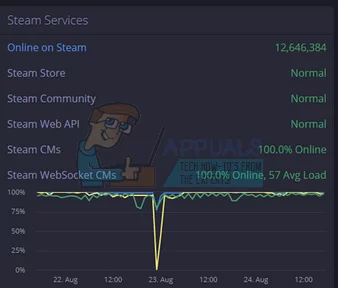
Recently, Steam servers were in the spotlight due to notable server outages during major gaming sales events. In October 2023, a surge of traffic during sales caused significant strain on the servers, leading to temporary outages and access issues for users. Valve responded by enhancing server infrastructure and implementing load-balancing strategies to prevent similar occurrences in the future. According to reports, these upgrades have improved server reliability significantly.
Importance of Server Performance
The performance of Steam servers directly impacts the gaming experience. High ping times or server downtime can lead to frustrations, affecting gameplay and user satisfaction. Valve continuously monitors server health and player feedback to improve their services. Additionally, Steam servers often play a role in game updates and patch deployments, ensuring that players receive the latest content without delays.
Forecasts and Future Significance
As online gaming continues to expand, the significance of Steam servers is expected to grow. With advancements in cloud technology and increased global connectivity, gamers can expect an even more seamless experience. Valve is likely to invest further in infrastructure and server technologies to support emerging trends such as virtual reality and cross-platform gaming.
Conclusion
In conclusion, Steam servers are a fundamental aspect of the online gaming ecosystem. They ensure smooth gameplay, enhance user experience, and provide critical support for game developers. As the gaming landscape continues to evolve, the importance of robust and reliable server infrastructure will only increase, making ongoing improvements essential for player satisfaction and engagement.