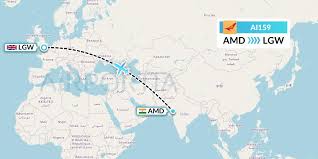
Introduction: The Critical Role of Flight Trackers
As air travel continues to be a crucial mode of transportation for millions worldwide, the technology behind flight tracking has become increasingly important. Flight trackers allow passengers, airlines, and airports to monitor the real-time status of flights, providing essential information such as delays, arrivals, and departures. This technology plays a vital role in improving customer experience and operational efficiency.
How Flight Trackers Work
Flight trackers use a combination of various technologies, including radar data, satellite information, and data from air traffic control systems to gather and display real-time flight information. Websites and mobile applications have made this data readily accessible to the public, often allowing users to search by flight number, route, or airport.
Current Trends and Developments
In recent years, advancements in technology have enhanced the capability of flight tracking. For instance, the introduction of Automatic Dependent Surveillance–Broadcast (ADS-B) has improved the accuracy and coverage of tracking data. Additionally, many flight tracker applications now include features such as flight status notifications, estimated time of arrival updates, and even weather forecasts. These tools have become invaluable for both frequent flyers and casual travellers alike.
Impact on Airlines and Airports
Airlines and airports benefit significantly from the implementation of flight trackers. With access to real-time data, airlines can efficiently manage their schedules, anticipate potential delays, and improve communication with passengers. Furthermore, airports can better allocate resources such as gates and ground crews based on up-to-date flight information, enhancing overall operational efficiency.
Conclusion: The Future of Flight Tracking
As we move towards a more connected world, the use of flight trackers is expected to grow even further. Future innovations could include integration with artificial intelligence to predict delays and feedback systems that enhance communication between passengers and airlines. For all stakeholders in the air travel industry, the significance of real-time flight tracking cannot be overstated; it not only makes travel more convenient but also plays a vital role in the safety and efficiency of air transportation.