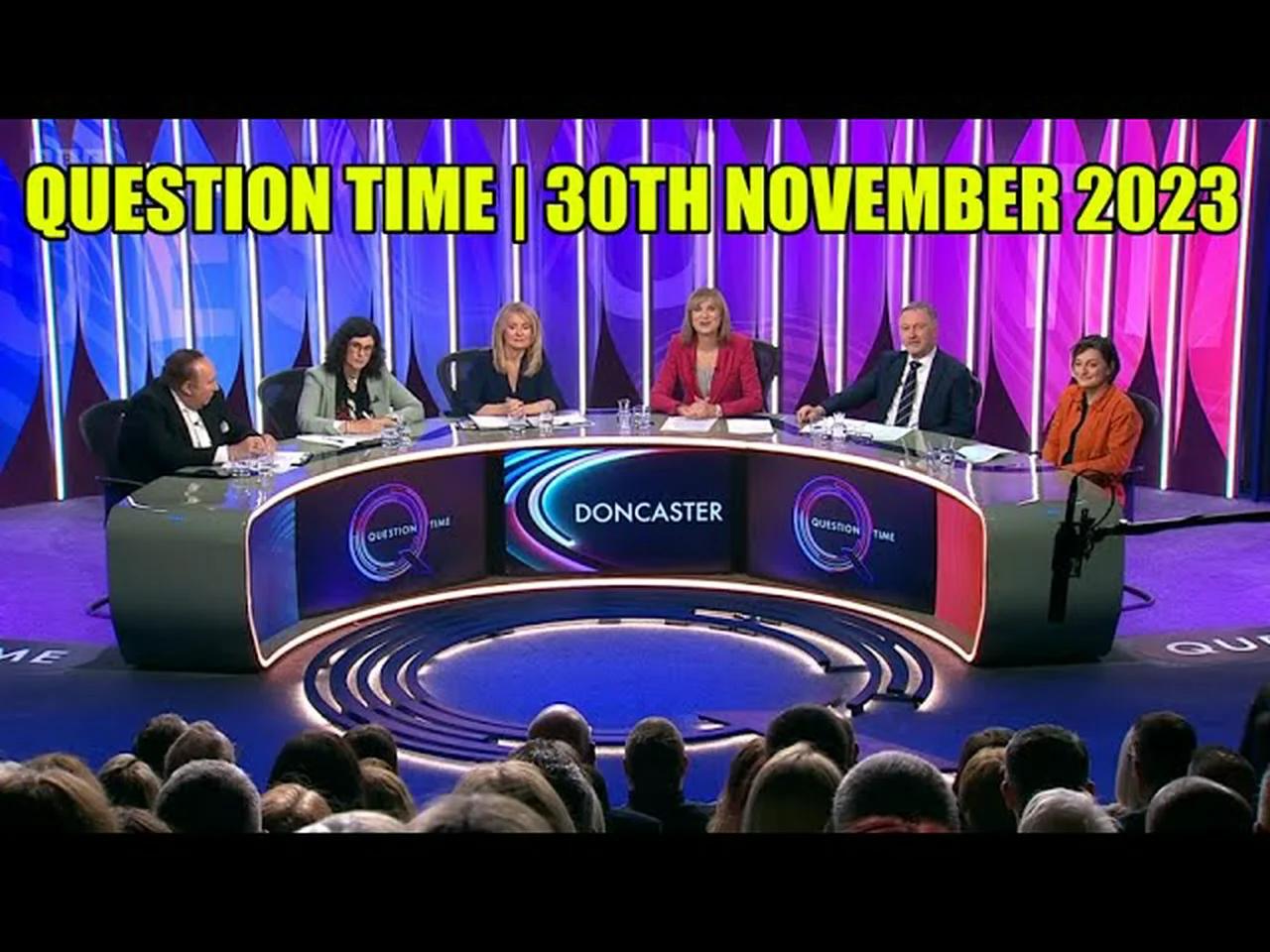
Introduction
Question Time is a pivotal aspect of the UK parliamentary system, serving as a forum for Members of Parliament (MPs) to hold the government accountable. It is a crucial element of the democratic process, allowing MPs to directly question ministers on various issues, thus facilitating transparency and promoting debate. Understanding the significance of Question Time is essential for citizens who wish to remain informed about the political mechanisms that govern their lives.
What is Question Time?
Question Time takes place in both the House of Commons and the House of Lords, typically occurring on Mondays, Tuesdays, and Thursdays. During this period, MPs are allowed to pose questions to government ministers, usually pertaining to their areas of responsibility. For example, Prime Minister’s Questions (PMQs) is a weekly session where the Prime Minister answers questions from MPs, which can include topics ranging from current policies to recent controversies.
Recent Events
In recent weeks, Question Time has highlighted significant issues, including economic recovery post-COVID-19, energy prices, and the ongoing impacts of Brexit. During the last PMQs session, opposition leader Keir Starmer challenged Prime Minister Rishi Sunak regarding the rising cost of living and the government’s approach to supporting struggling families. The exchange elicited intense debate, drawing both criticism and support from various quarters, underlining Question Time’s role in shaping public discourse.
The Importance of Questioning Ministers
Question Time is not merely a procedural formality; it plays an instrumental role in checking governmental power. It provides an opportunity for the opposition and backbenchers to highlight issues that may not be covered in mainstream media and allows the government to clarify its policies and position. Moreover, it serves to remind personnel in power of their responsibilities to the electorate.
Conclusion
As the UK Parliament continues to evolve, the relevance of Question Time remains paramount. It acts as a crucial platform for accountability and transparency, enabling MPs to question ministers about their decisions and policies. For citizens, staying tuned into Question Time will not only enhance understanding of political affairs but will also foster democratic engagement. Looking ahead, the upcoming sessions promise to be lively and filled with impactful inquiries as pressing national issues unfold.