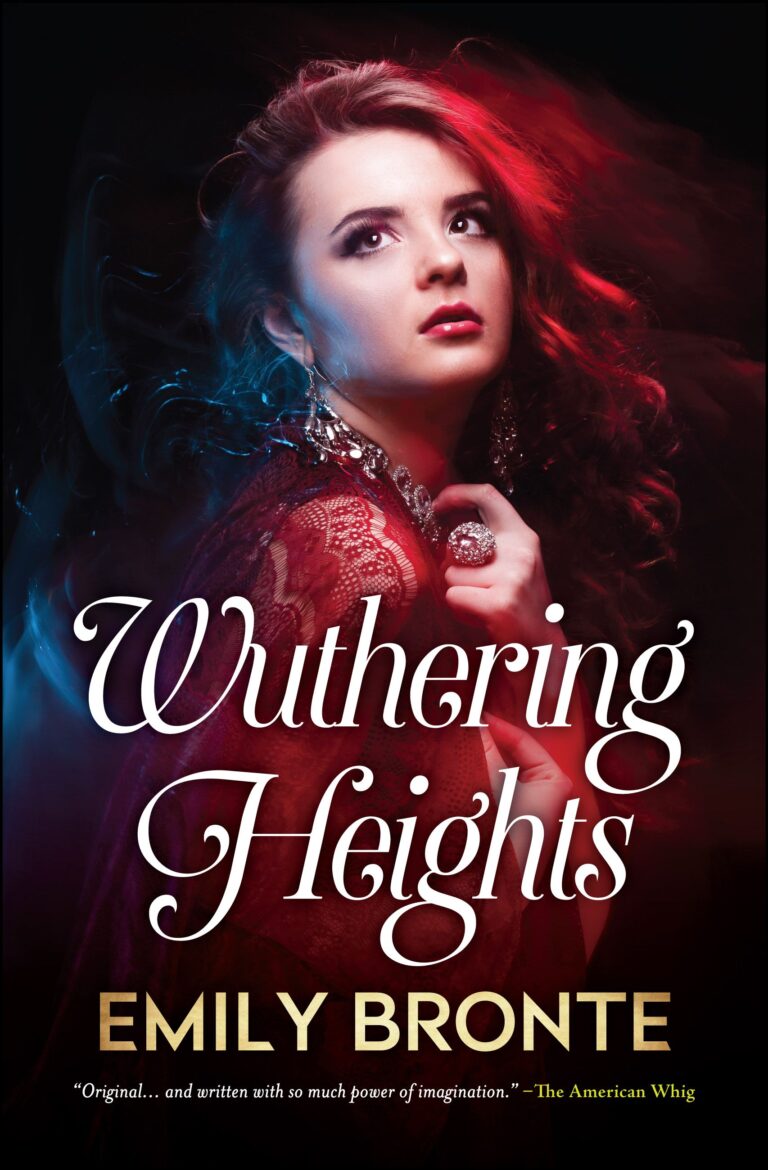
Why New Editions Matter
In an age where information is rapidly evolving, the need for updated content in various fields is paramount. New editions of books, reports, and other publications reflect current knowledge, address previous errors, and incorporate recent developments. They serve a crucial role in preserving the integrity and relevance of the material, making them an essential part of academic and literary landscapes.
Recent Highlights in New Editions
The literature world has recently seen a surge of new editions, notable among them being the revered classics. For instance, Penguin Classics announced an upcoming release of a newly annotated edition of “Pride and Prejudice” by Jane Austen, set to launch in early 2024. This edition promises to present readers with fresh insights, historical context, and critical perspectives that were previously underrepresented in earlier versions.
In the realm of academic publications, important new editions are also surfacing. The fifth edition of the “Oxford English Dictionary” is another highly anticipated release, which offers updated definitions and terms that reflect the language’s evolution, particularly in the digital age. Such revisions are essential for educators, students, and professionals who rely on the latest terminology in their respective fields.
Impacts on Readers and Society
The impact of new editions extends beyond just textual updates. They often serve as a way to introduce new generations to critical works, ensuring classic literature remains accessible and relatable. Furthermore, new editions can catalyse discussions around cultural relevance, representation, and inclusivity, prompting both readers and authors to engage with the material in new ways.
Publishers are increasingly aware of the importance of updating content to appeal to contemporary audiences, which can lead to innovative approaches in storytelling and interpretation. This shift highlights a progressive move towards inclusivity, aiming to reflect diverse voices and perspectives that have been historically overlooked.
Conclusion: Looking Ahead
As we progress further into 2024, the trends in new editions will likely continue to reshape the way knowledge is disseminated and consumed. Both writers and publishers are recognizing the importance of staying current, thus ensuring that their works resonate with modern readers. For those interested in literature and education, keeping an eye on new editions can reveal essential cultural shifts and insights that are pivotal for understanding today’s society.