Introduction
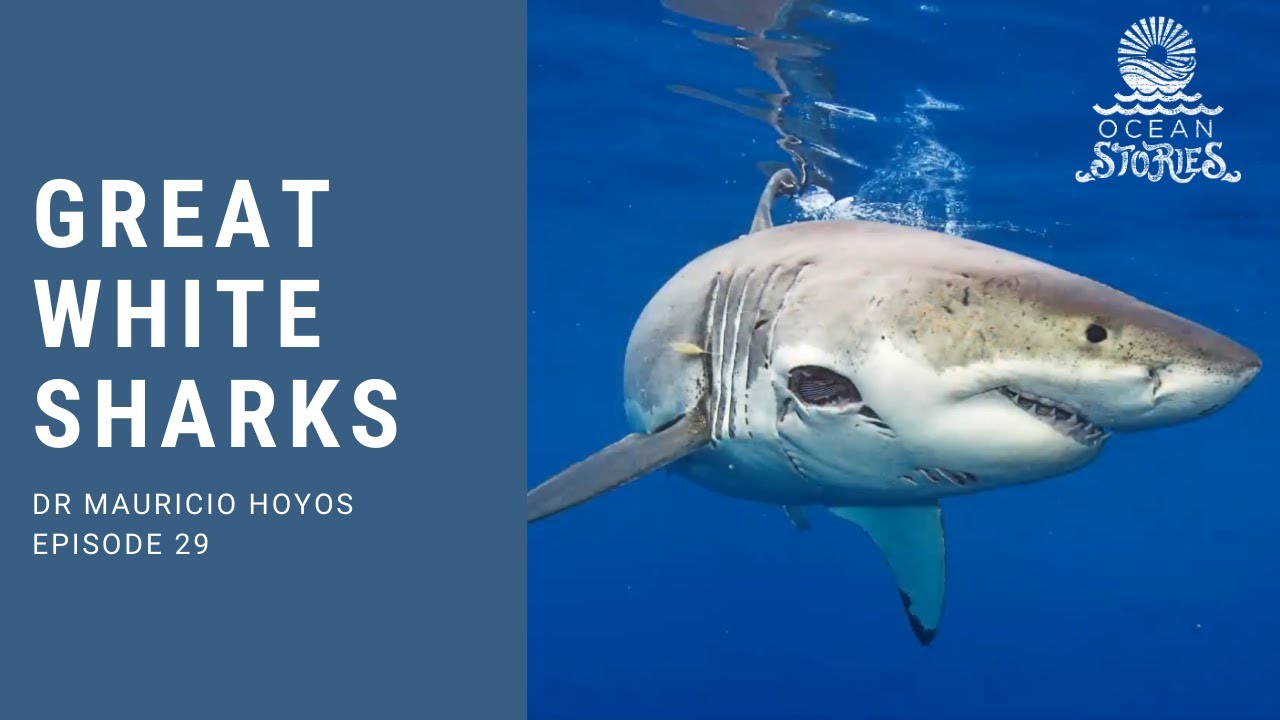
Great white sharks, scientifically known as Carcharodon carcharias, are among the ocean’s most intriguing and formidable predators. They play a crucial role in marine ecosystems by regulating the populations of prey species, which helps to maintain a balanced environment. The current global focus on marine conservation has brought these majestic creatures into the spotlight, highlighting both their ecological significance and the pressing need to protect them from threats such as overfishing and habitat loss.
Current Events and Facts
Recent studies have shown alarming trends in the populations of great white sharks across various oceans. According to the International Union for Conservation of Nature (IUCN), many populations are categorised as vulnerable due to various human activities. For instance, a report released in October 2023 indicated that in regions such as the Eastern North Pacific, great white shark sightings have decreased by nearly 50% over the last decade. This decline is primarily attributed to fishing practices and climate change affecting their natural habitats.
In response to these challenges, several conservation initiatives are underway. Non-profit organisations like the Shark Research Institute are collaborating with governmental bodies and marine biologists to study great white shark behaviours and migration patterns using advanced tracking technology. Programs in countries such as Australia and South Africa have implemented stricter fishing regulations and established marine protected areas to safeguard these apex predators and their ecosystems.
Significance for Readers
Understanding the plight of great white sharks is essential for fostering proactive conservation efforts. As these creatures face various threats, it is increasingly vital for individuals and communities to participate in conservation initiatives. The plight of the great white is not just about preserving a single species; it’s about maintaining the health of our oceans, which ultimately affects the entire planet. Conservation of great white sharks aligns with broader environmental goals, including biodiversity and ecological stability.
In conclusion, great white sharks are not only vital for the health of marine ecosystems but also serve as indicators of oceanic health. As conservation efforts gain momentum, it is crucial for public awareness to rise regarding the importance of protecting these magnificent creatures. Individuals can support local and global conservation initiatives, advocate for sustainable practices, and participate in educational programs to help ensure that great white sharks continue to thrive in our oceans for generations to come.