Introduction
Etihad Stadium, the home of Manchester City Football Club, stands as a prominent venue in both English football and the broader sports landscape. Opened in 2002, this modern stadium has not only redefined the fan experience but also significantly contributed to the local economy and community spirit in Manchester. In a time when sporting venues are increasingly viewed as multifaceted spaces, the Etihad Stadium exemplifies how sports can intertwine with community identity and economic development.
Development and Features
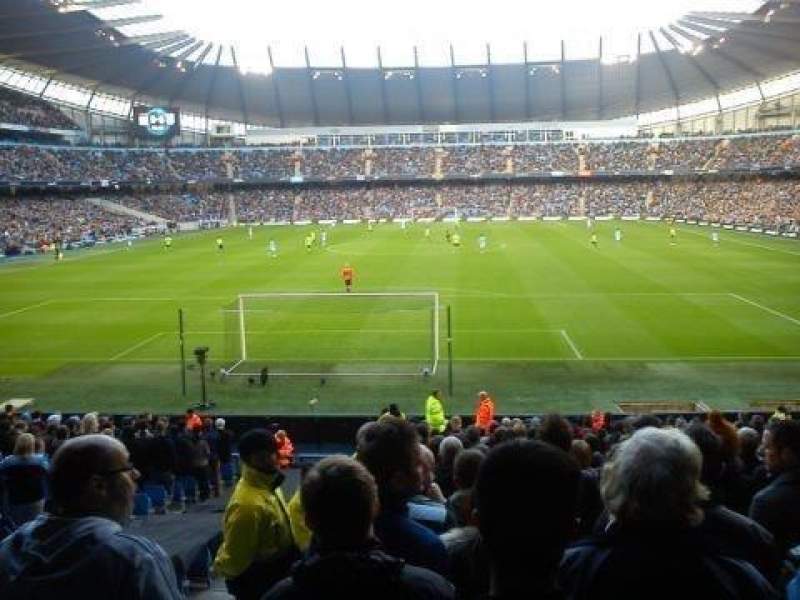
The stadium was initially built to host the Commonwealth Games in 2002, but since Manchester City moved in, it has undergone extensive renovations that have transformed it into a world-class football facility. The capacity of Etihad Stadium is currently around 53,000, making it one of the largest stadiums in the UK. It features state-of-the-art facilities, including a roof designed to enhance spectator experience, various hospitality suites, and fan engagement zones. These upgrades not only cater to the needs of the supporters but also elevate the standards of matchday operations and events.
Impact on the Community
Beyond its role as a football venue, the Etihad Stadium serves as a community hub. Manchester City’s commitment to community outreach has seen initiatives focused on education, health, and social inclusion, primarily through the City in the Community Foundation. This foundation has played a pivotal role in addressing local issues, promoting physical health, and engaging with young people in the area, showcasing the club’s dedication beyond just sports.
Significance in Football
Etihad Stadium has been the site of significant footballing moments, including thrilling matches in the Premier League and Champions League, and has hosted international fixtures, concerts, and other sporting events. The vibrant atmosphere created by the fans has often been highlighted as one of the most exhilarating aspects of attending a match at the Etihad, especially during crucial fixtures where stakes are high.
Conclusion
In conclusion, the Etihad Stadium stands not only as a testament to Manchester City’s success on the pitch but also as a vital part of the local fabric. As Manchester City continues to achieve new heights in football, the stadium is likely to play an increasingly important role in both the club’s success and its community engagement efforts. For fans and residents alike, the Etihad Stadium represents a beacon of pride, opportunity, and innovation—signifying the evolving role of sports in modern society.