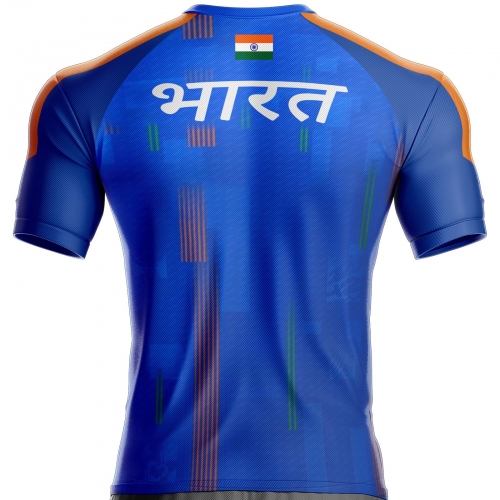
Introduction
Cricket is not merely a sport in India; it is an integral part of the country’s identity and culture. With millions of fans across the nation, India’s cricketing achievements have instilled a sense of pride among its citizens. The sport has transcended boundaries, uniting people from different backgrounds and regions. Understanding the importance of cricket in India is crucial in recognising how it influences social dynamics, politics, and the youth of the nation.
Historical Context
The history of cricket in India dates back to the 18th century when the British colonisers introduced the game. By the early 20th century, Indian teams were competing against each other and in international matches, despite facing numerous challenges. India’s first Test match was played in 1932, and it marked the beginning of a long and illustrious journey.
Major Achievements
India’s cricketing success is highlighted by its triumph in the ICC Cricket World Cup in 1983 and 2011, along with the T20 World Cup victory in 2007, showcasing the country’s prowess on the global stage. Additionally, India’s consistent performances in Test matches and One Day Internationals have solidified its reputation as a cricketing powerhouse.
The Indian Premier League (IPL)
The launch of the Indian Premier League (IPL) in 2008 revolutionised cricket in India. This T20 league has attracted international players and generated significant financial investments, enhancing the game’s commercial aspect. The IPL not only entertains millions but also provides a platform for young talent to shine and gain exposure on an international level.
Current Trends
Recent developments in Indian cricket indicate a strong emphasis on youth and the nurturing of home-grown talent. The Board of Control for Cricket in India (BCCI) has been proactive in establishing domestic leagues and academies to foster the next generation of cricketers. Furthermore, the increasing popularity of women’s cricket is a positive trend that reflects changing societal attitudes and the broader inclusivity of the sport.
Conclusion
Cricket in India remains one of the most revered and celebrated aspects of the nation’s culture. As cricket continues to evolve, it will play a pivotal role in shaping the country’s sporting landscape. With ongoing reforms and the rise of new talents, the future of India cricket looks promising. Maintaining this momentum will be important for India to retain its status as a cricketing giant and continue to inspire millions of fans around the world.