Introduction
Child Trust Funds (CTFs) were introduced in the UK in 2005 as a government initiative aimed at providing long-term savings for children born between 1 September 2002 and 2 January 2011. The financial security these funds offer plays a crucial role in equipping young individuals with the necessary resources for their future education or home ownership. As we look at the evolving landscape of savings and investment, understanding the significance of CTFs and the potential impact of recent policy changes is vital for parents and guardians.
What are Child Trust Funds?
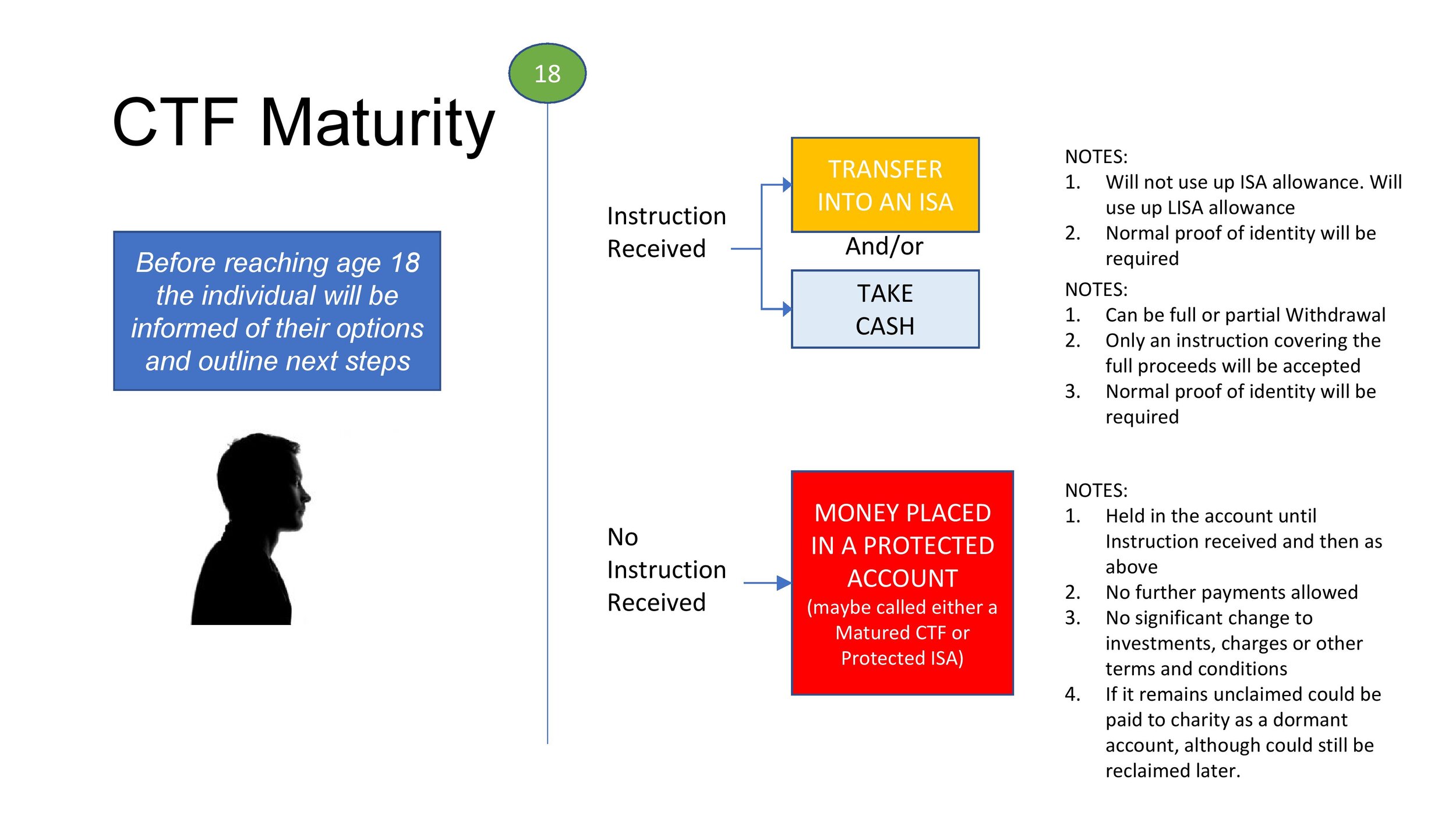
A Child Trust Fund is a tax-free savings account designed specifically for children. The government initially contributed £250 into these accounts at birth, with additional contributions available for children from lower-income families. Parents or guardians could also contribute up to a certain limit per year, ensuring that the funds grow over time through interest or investments. CTFs were intended to be accessible when the child turns 18, at which point they could use the money as they see fit.
Current Status of Child Trust Funds
As of 2021, CTFs ceased for new registrations, replaced by Junior ISAs (JISAs). However, there are still millions of existing CTFs, with holders recently turning 18. Current estimates state that approximately 6.3 million accounts are still active, with many parents and guardians unaware of the funds’ growing values. The government has encouraged families to keep track of these funds, highlighting the importance of financial literacy for a new generation.
The Financial Impact
Reports indicate that many CTFs have matured to significant amounts, with total average savings above £2,000, which can substantially support young adults as they transition to financial independence. Additionally, CTFs have helped foster a culture of savings among families, encouraging parents to invest in their children’s futures. However, accessing these funds appears complicated for many young adults, with reports suggesting that over £1 billion remains unclaimed.
Conclusion
Child Trust Funds play a valuable role in enhancing financial security for young individuals entering adult life. As the last generation of CTFs matures, it is essential for parents and guardians to inform their children about these funds and advise them on managing their financial resources wisely. The shift towards financial education and awareness in the UK marks an important step towards empowering younger generations to make informed decisions about their financial futures. By understanding and utilising their Child Trust Funds, these individuals can lay the groundwork for future success and stability.