Introduction
The ongoing Ukraine War continues to significantly affect various regions across the country, with cities such as Pokrovsk becoming symbolic of resilience amid turmoil. Nestled in the Donetsk Oblast, Pokrovsk has found itself at the heart of conflict, showcasing the impacts of war on local communities, infrastructure, and daily life. As tension remains high, understanding the situation in Pokrovsk is crucial for a broader comprehension of the conflict’s ramifications.
Current Events Surrounding Pokrovsk
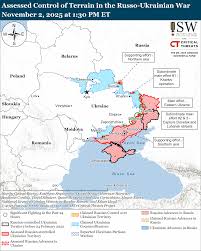
Since the escalation of the conflict in February 2022, Pokrovsk has experienced waves of military activity, including both attacks and defensive operations. According to reports from the Ukrainian military, Pokrovsk has been strategically significant due to its proximity to frontline areas, making it a target for shelling by opposing forces. Recent updates indicate that the city continues to withstand pressures as many residents remain despite the dangers.
In recent weeks, the situation intensified with the Ukrainian government reinforcing military presence in the area to safeguard strategic assets and civilians. Efforts to repair and maintain infrastructure have been ongoing, with humanitarian aid flowing into the city. Local authorities have coordinated initiatives to provide shelter, food, and medical assistance to those who are affected by the conflict.
Community Resilience
The citizens of Pokrovsk have displayed considerable resilience throughout this period of uncertainty. Community organisations and non-profit groups have rallied to provide support to those displaced by the conflict, creating networks for psychological support and assistance. Schools have implemented remote learning to ensure educational continuity amidst the chaos, adapting to the challenges posed by air raid alerts and destruction.
Conclusion
The situation in Pokrovsk underscores the broader humanitarian crisis unfolding as a result of the Ukraine War. With ongoing military operations, the city remains precarious, yet the enduring spirit of its residents shines through adversity. As the conflict continues, Pokrovsk’s future will greatly depend on both military strategies and international support. For readers following this conflict, understanding stories from towns like Pokrovsk is essential in acknowledging the human cost of war, the resilience of communities, and the urgent need for peace and stability in the region.