Introduction
Super Typhoon Uwan has made landfall in the Philippines, highlighting the region’s vulnerability to extreme weather events. With climate change contributing to the increasing severity of such storms, Uwan underscores the urgent need for disaster preparedness and response mechanisms. This latest typhoon comes amid a worrying trend of intense tropical cyclones affecting the archipelago, which is home to over 100 million people.
Details of the Event
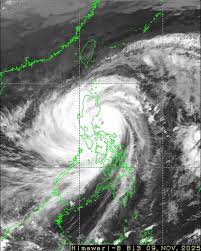
Uwan, classified as a Category 5 super typhoon, struck the eastern coast of the Philippines late on October 22, 2023. Winds were recorded at speeds exceeding 200 km/h, with torrential rains causing severe flooding in several provinces, particularly in the Visayas and Mindanao regions.
The Philippine Atmospheric, Geophysical and Astronomical Services Administration (PAGASA) reported that Uwan was neither the first nor the last typhoon of the season, but its rapid intensification caught many by surprise. In preparation, local authorities had initiated evacuations in high-risk areas, with thousands of residents relocated to evacuation centres. As a consequence, emergency units were on high alert, ready to provide immediate relief efforts.
Government and International Response
President Ferdinand Marcos Jr. conducted an emergency meeting with the National Disaster Risk Reduction and Management Council (NDRRMC) to assess the situation and plan for disaster relief. The government has reached out to international partners for assistance, as local resources may be overwhelmed by the scale of the disaster. Countries like Japan and the United States have offered aid, including supplies and personnel.
The Aftermath and Looking Ahead
As Uwan moves westward, the threat of additional landslides, flooding, and infrastructure damage remains a significant concern. Early reports indicate widespread destruction, with many homes rendered uninhabitable and roadways closed. Rescue operations are underway to reach those stranded by the storm.
Conclusion
The impact of Super Typhoon Uwan is a stark reminder of the Philippines’ precarious position in the Pacific typhoon belt. While immediate relief efforts are crucial in the wake of the disaster, this event calls for long-term investments in climate resilience and disaster preparedness strategies. As scientists predict that such extreme weather events may become more common, it is essential for both the government and citizens to adopt more robust measures to mitigate future risks and protect vulnerable communities.