Introduction
In recent weeks, solar activity has surged globally, highlighting the importance of understanding sun solar flares. These massive bursts of radiation from the sun play a significant role in space weather, affecting communication systems, satellite operations, and even power grids on Earth. As society increasingly relies on technology, the consequences of solar flares warrant close attention and preparedness.
The Science Behind Solar Flares
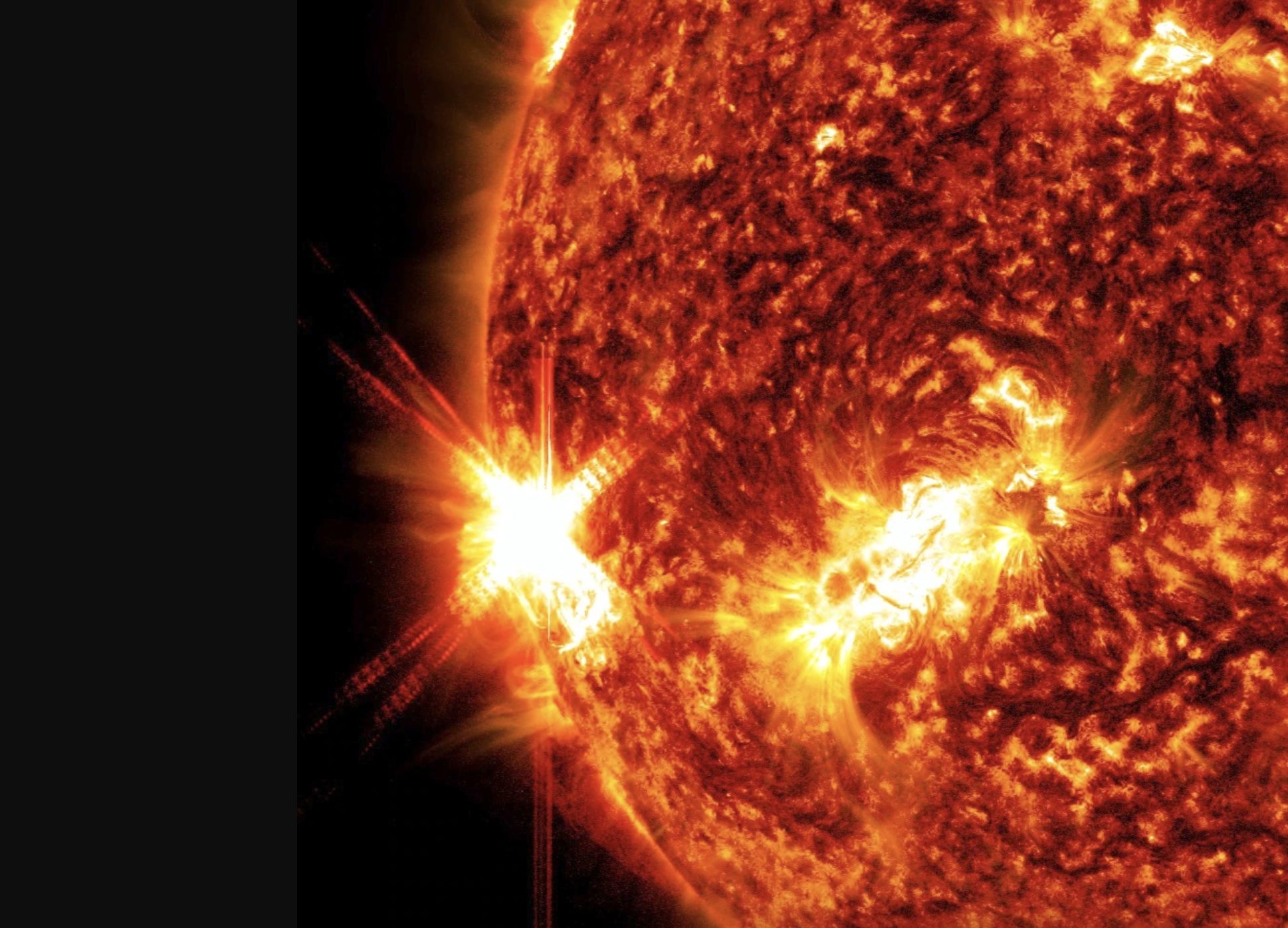
Solar flares are intense bursts of radiation caused by the release of magnetic energy stored in the sun’s atmosphere. They are classified by their energy output, with the most powerful being classified as X-class flares. The National Oceanic and Atmospheric Administration (NOAA) categorises flares and tracks their potential impact. These events are often associated with coronal mass ejections (CMEs), which can propel solar particles towards Earth.
Recent Solar Activity
In the past month, there have been several notable solar flares classified as M-class and one significant X-class flare. The X-class flare that occurred on October 11, 2023, was one of the strongest recorded in years, causing shortwave radio blackouts in affected regions. The NOAA’s Space Weather Prediction Center noted that the ongoing solar cycle, Solar Cycle 25, is expected to peak in 2025, suggesting an increase in solar activities.
Effects on Earth and Technology
The effects of solar flares can be far-reaching. High-frequency radio interference can disrupt aircraft communications, while increased radiation can damage satellites and GPS technology. Moreover, power grid fluctuations can occur, as seen in the 1989 blackout in Quebec caused by geomagnetic storms linked to a solar flare. These occurrences signal the need for enhanced monitoring systems and protective measures for critical infrastructure.
Conclusion
As we navigate through an era of rapid technological advancement, understanding sun solar flares becomes crucial. The recent spikes in solar activity illuminate potential risks to both Earth-based technology and human health. Ongoing research and monitoring initiatives are essential to mitigate these risks and safeguard our interconnected world as we approach the peak of Solar Cycle 25. Awareness and preparedness must now be prioritised to harness the benefits of solar energy while minimising the potential threats posed by solar phenomena.



