Introduction
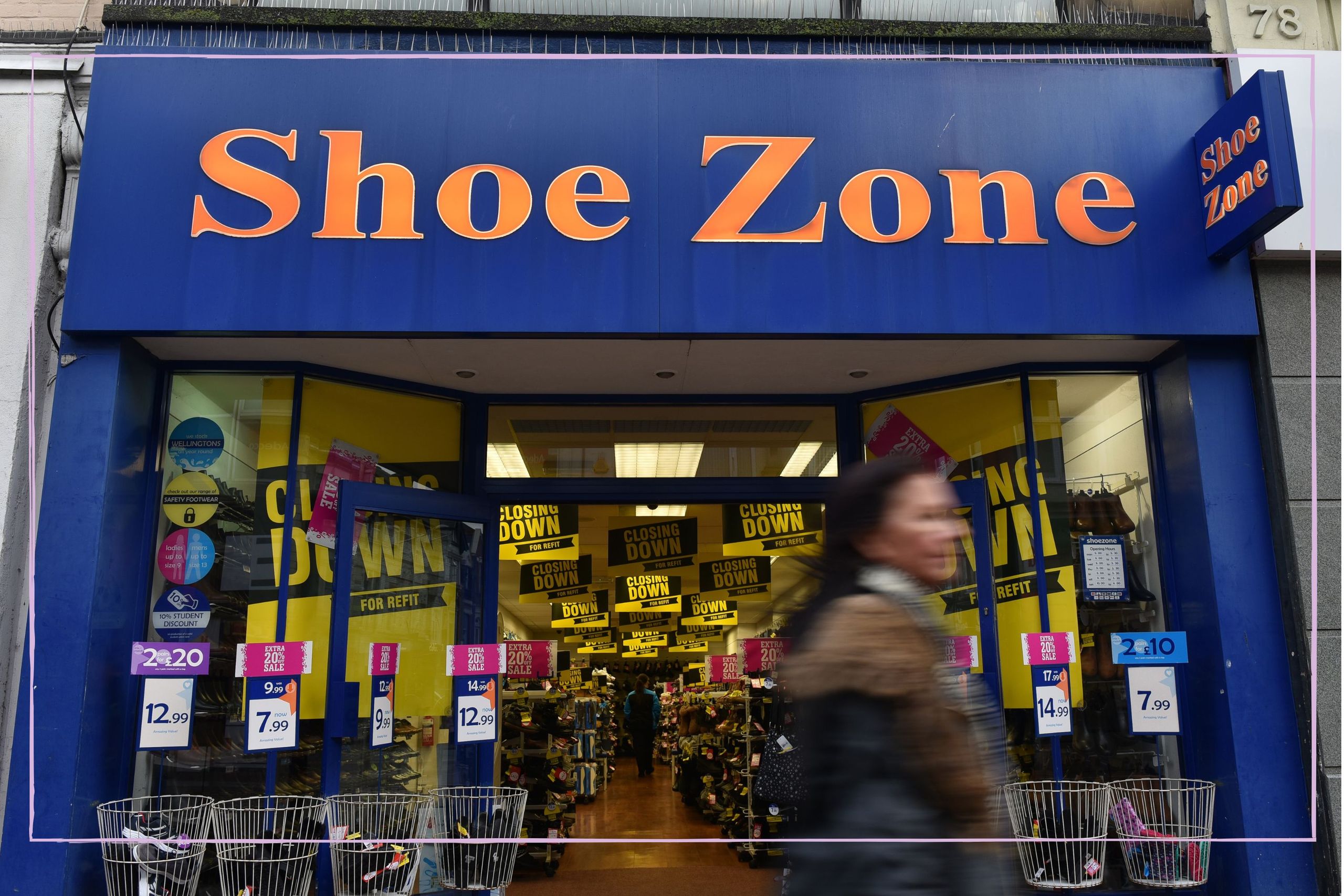
Shoe Zone, a well-known footwear retailer in the UK, has recently announced a series of store closures across the country. This decision comes as part of the company’s restructuring plans in response to changing market conditions and consumer behaviour. With a significant number of closures planned, the news has sparked discussions regarding the future of retail, especially in the face of economic challenges.
Details of the Closures
The firm has confirmed that it will be closing at least 40 of its stores in the upcoming fiscal year. This decision is in line with their strategy to enhance profitability and focus on online sales, which have grown considerably during the pandemic. Shoe Zone cited rising costs, increased competition, and shifting shopping habits as key factors exacerbating the necessity for these closures.
In a statement, the company outlined that while some stores will be closed, efforts will be made to bolster their online presence. They will be investing in their e-commerce platform to cater to the growing number of consumers preferring to shop online, a trend accelerated by COVID-19. The closures will principally affect locations that have underperformed in recent years and are unable to cope with the current economic climate.
Industry Response
The reaction to Shoe Zone’s announcement has been mixed. While analysts acknowledge that the company is making pragmatic decisions in an increasingly competitive landscape, others express concern over the long-term sustainability of high street retail. Many small retailers have struggled to adapt to the rapid transition towards online shopping, and with major chains like Shoe Zone reducing their physical footprint, it raises questions about the future of traditional retail spaces.
Consumer Implications
The closures are likely to have a direct impact on local economies, particularly in towns where Shoe Zone stores are among the few remaining footwear retailers. Job losses are expected, contributing to rising unemployment figures in the retail sector, which has already been heavily affected by previous lockdowns and restrictions. On a broader scale, the developments raise concerns about consumer access to affordable footwear as well-known retailers shrink their presence in local markets.
Conclusion
The upcoming Shoe Zone store closures highlight the ongoing challenges faced by retailers in a fast-evolving market. The company’s shift towards online sales may provide a temporary solution, but it also signals the end of an era for many traditional retail experiences. As the retail landscape continues to change, consumers, employees, and industry watchers alike will be watching closely to see how these changes unfold and what they mean for the future of high street shopping.