Introduction
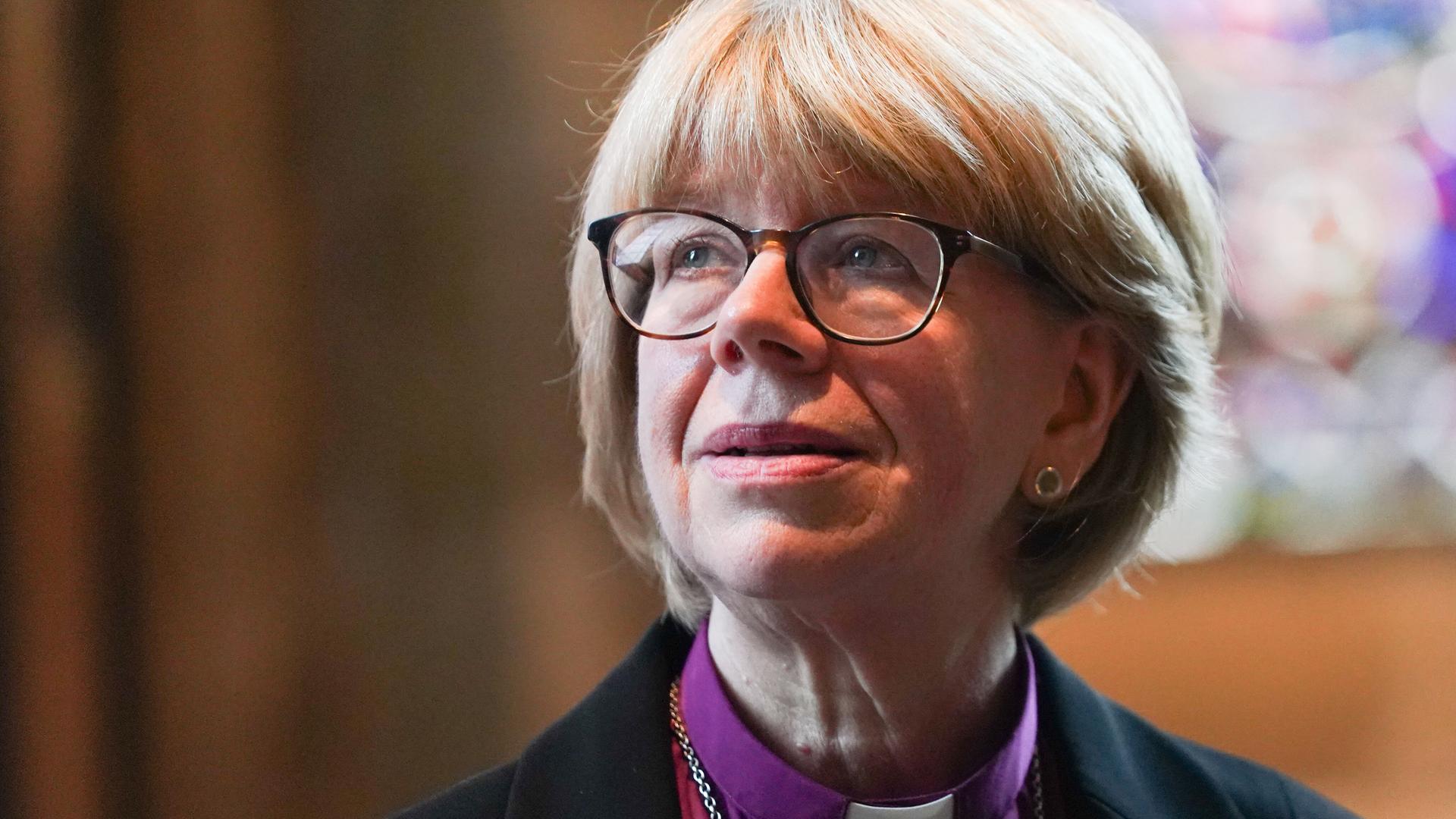
Sarah Mullally, the Bishop of London, has emerged as a significant leader in the Church of England, playing a pivotal role in both spiritual and community matters. Her journey and influence come at a time when the church is grappling with modern societal issues, making her contributions more relevant than ever. As one of the few female bishops in the Church, Mullally represents a change in leadership dynamics and inspires many within and outside the church.
Background and Journey
Mullally, born in 1961, began her career in nursing, where she gained invaluable experience before transitioning into ministry. In 2001, she was ordained as a deacon in the Church of England and quickly rose through the ranks. Notably, she became the first female Bishop of London in 2020, a historical appointment that underscored the Church’s commitment to gender equality.
Recent Initiatives
In her role as bishop, Mullally has initiated numerous programs addressing social issues, such as mental health, homelessness, and community engagement. During the COVID-19 pandemic, she launched online services and resources, reaching out to parishioners and supporting local communities. Her efforts received recognition as she actively worked to maintain the church’s relevance during challenging times.
Advocacy and Leadership
Mullally’s leadership style emphasizes inclusivity and diversity. She advocates for the involvement of marginalised communities in church affairs, striving to make the Church of England more accessible to all. This approach has been met with widespread approval, attracting younger generations and the disenfranchised back to the church. Furthermore, Mullally is vocal about the importance of mental health awareness, which resonates with many in today’s society.
Conclusion
As Sarah Mullally continues to navigate her role within the Church of England, her impact is increasingly recognised both locally and nationally. Her commitment to inclusivity and her proactive approach to contemporary issues highlight the evolving nature of church leadership. Looking ahead, Mullally’s influence may shape the future direction of the Church of England, encouraging a more progressive and compassionate framework that keeps faith relevant in modern society. Addressing both spiritual guidance and practical community issues signifies a transformative journey for the church and its leaders.