Introduction
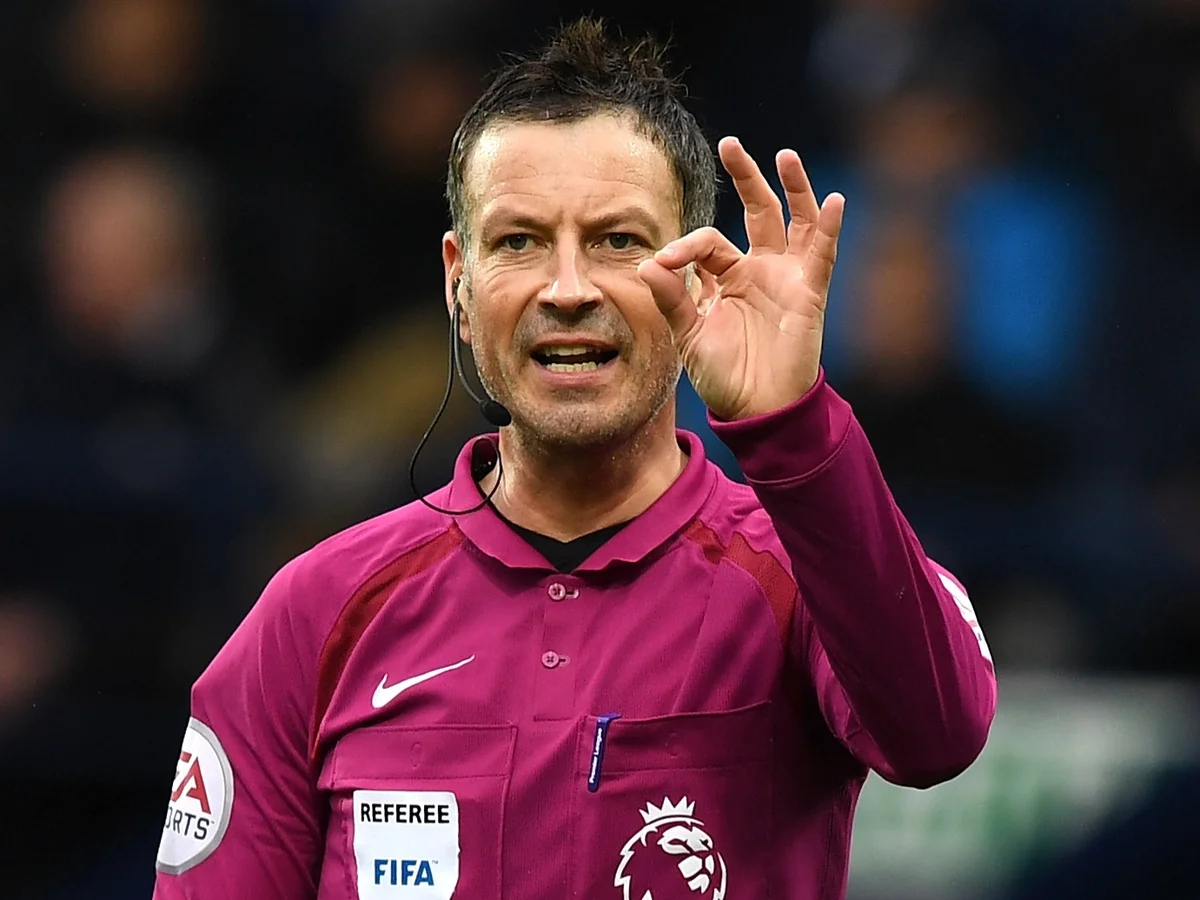
Mark Clattenburg, a name synonymous with football officiating, has made significant contributions to the sport throughout his career. Renowned for his distinct style and decision-making abilities, Clattenburg’s influence extends well beyond the pitch. His recent engagements, including commentary roles and coaching officiating standards, have sparked renewed interest in the challenges faced by referees in modern football.
Clattenburg’s Career Overview
Born on March 13, 1975, in Consett, England, Clattenburg began his officiating career in the early 1990s. He quickly made a name for himself in the Premier League, gaining recognition for his commanding presence on the field. Clattenburg officiated numerous high-profile matches, including the FA Cup Final and the UEFA Champions League Final. His tenure peaked when he was selected to referee at the 2016 UEFA Euro and the 2016 FIFA Club World Cup.
Recent Developments
Following his retirement from on-field officiating in 2017, Clattenburg transitioned into a role that continues to influence the world of football. He has taken on various roles, from media analysis to refereeing consultancy in different leagues worldwide. As of 2023, Clattenburg has been involved in training and mentoring the next generation of referees, focusing on improving decision-making and communication skills. His insights, shaped by over 16 years of experience in top-tier football, are invaluable in an era where VAR (Video Assistant Referee) technology presents new challenges.
The Significance of His Work
Clattenburg’s return to the focus of football discussions highlights the evolving landscape of officiating and the importance of continuous education for referees. His advocacy for clarity in rules and regulations mirrors a growing need for consistency in officiating. Furthermore, his perspective on the pressures referees face has re-ignited conversations about the treatment of officials within the sport. By addressing these issues, Clattenburg is helping to foster a more respectful environment for all referees, ultimately enhancing the overall quality of the game.
Conclusion
Mark Clattenburg’s journey from pitch referee to mentor illustrates the crucial role that experienced officials play in shaping the future of football. As the sport continues to develop and adapt, his insights are vital for the ongoing improvement of officiating standards. For fans and players alike, understanding the complexities referees face enhances their appreciation of the game and its governance. Looking forward, Clattenburg’s work may lead to reforms that ensure referees receive the support they need, paving the way for a fair and competitive playing field.