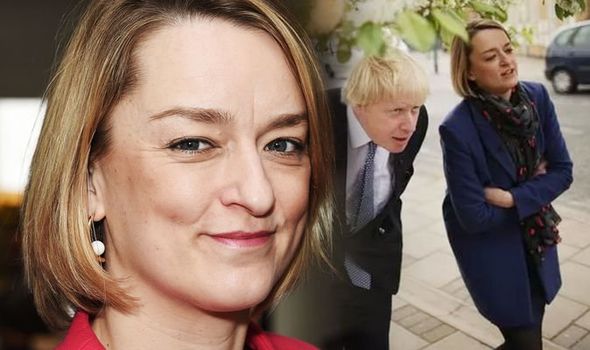
Introduction to Laura Kuenssberg
Laura Kuenssberg has undeniably become one of the most significant figures in British journalism, particularly in the realm of political reporting. Since becoming the BBC’s political editor in 2015, her influence and visibility have soared, especially during times of political upheaval, such as Brexit, the COVID-19 pandemic, and a changing political landscape. Understanding the impact of her work offers insights into the current state of media and politics in the United Kingdom.
Career and Achievements
Laura Kuenssberg was born on August 8, 1976, in Italy but raised in the UK. She graduated from the University of Edinburgh with a degree in history before embarking on her journalism career. Her early roles included reporting for The Guardian and Channel 4 News, where she quickly gained recognition for her incisive reporting style. In 2015, she made history by becoming the first female political editor of the BBC, a role that solidified her status as a leading voice in journalism.
Over her career, Kuenssberg has covered key political events and crises, providing analysis that shapes public understanding. Notably, her reporting during the Brexit negotiations has been pivotal, as she brought clarity to a highly complex and contentious issue. Her ability to distill vast amounts of information into digestible segments has earned her both praise and criticism in equal measure.
Recent Developments
In recent months, Kuenssberg has faced increasing scrutiny over her reporting, particularly regarding accusations of bias. Critics have argued that her coverage sometimes reflects a conservative slant, while supporters counter that her journalism promotes transparency and accountability in government affairs. Against the backdrop of the controversial rise of ‘fake news’ and media bias, Kuenssberg’s credibility remains a focal point in discussions about trust in journalism.
Her recent interviews and insights have also played a role in shaping public opinion on important topics, such as climate change policies and public health strategies related to COVID-19. With her social media presence growing, she engages with a broader audience, providing real-time updates and fostering discussions around pressing political issues.
Conclusion: The Significance of Laura Kuenssberg
Laura Kuenssberg’s role as a journalist has profoundly impacted the way the public interacts with news and information related to politics. As the media landscape evolves, figures like Kuenssberg highlight the responsibility that comes with informing the citizenry. Critics and supporters alike acknowledge that her work is crucial during times of uncertainty, with her reporting continuing to influence political discourse in the UK. Moving forward, her observations will be pivotal in delivering narratives that resonate with the ever-changing political environment.