Introduction
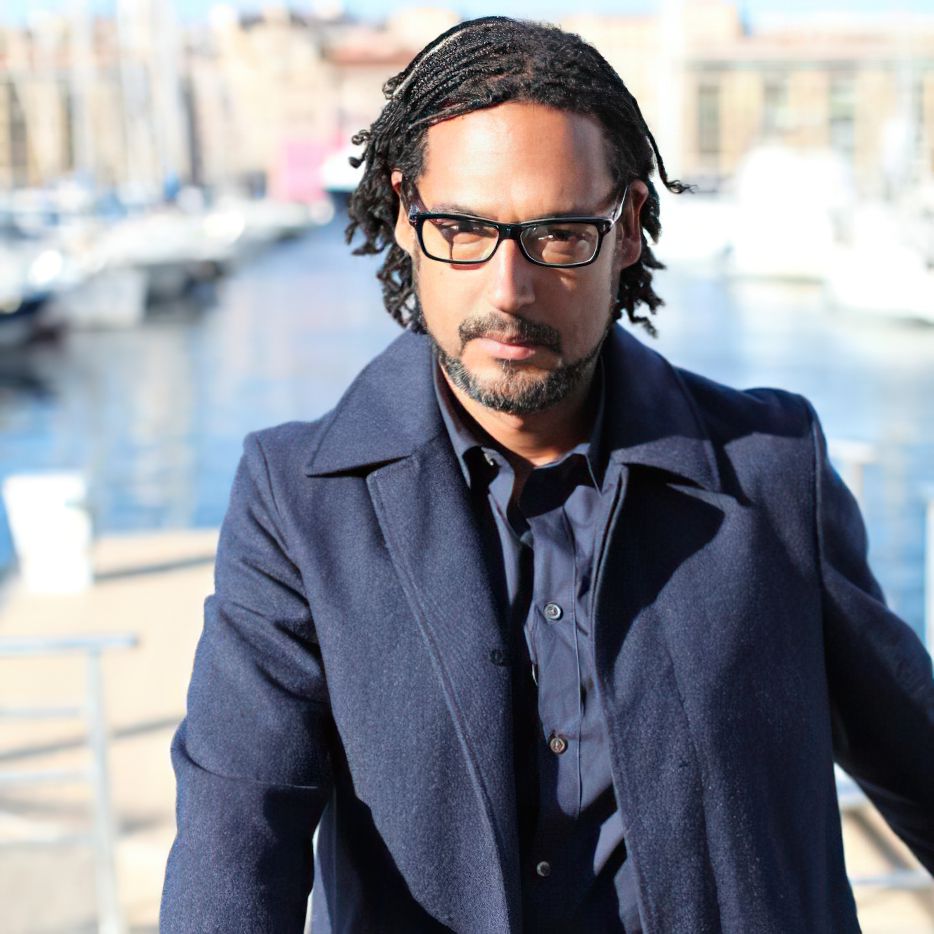
David Olusoga is a prominent British historian, broadcaster, and filmmaker whose work has significantly influenced the understanding of Britain’s complex history, particularly regarding the narratives of race and empire. As a public figure, he has become a crucial voice in contemporary discussions surrounding historical representation, making his contributions timely and essential for modern audiences.
Career Achievements
Born in 1970 in Nigeria and raised in the UK, Olusoga began his career in the media as a producer and presenter for the BBC. His notable series such as “British History’s Biggest Fibs” and “Civilizations” have captivated audiences with their engaging storytelling and rigorous research. He has also authored several acclaimed books, including “Black and British: A Forgotten History,” which garnered widespread recognition for reshaping perceptions of British history through the lens of race and colonialism.
Recent Developments
This month, Olusoga was announced as one of the keynote speakers at the upcoming ‘History Matters’ conference in London, aimed at fostering discussions about the role of historical education in addressing systemic racism. His participation underscores not just his significance in the field of history, but also his commitment to advocating for more inclusive historical narratives.
Public Engagement
In addition to his academic contributions, Olusoga is particularly active on social media, where he engages with a broad audience about historical events and their implications today. His ability to connect with the public has allowed for a greater appreciation of history’s relevance, especially among younger generations. During the recent Black History Month, he led a series of discussions highlighting the significance of acknowledging diverse historical perspectives.
Conclusion
David Olusoga’s work goes beyond traditional historical narratives, focusing on inclusivity and representation. His influence on the discipline not only enriches public understanding of the past but also serves as a catalyst for important conversations about identity and legacy in contemporary society. As discussions of race, history, and culture continue to evolve, Olusoga’s contributions will remain vital for educating future generations about the multifaceted history of Britain.



