Introduction
Gerrymandering, the practice of drawing electoral district boundaries to benefit a specific political party, has significant implications for democracy and representation. In an era where political polarization is at an all-time high, understanding gerrymandering is crucial for voters, policymakers, and scholars alike. Recent developments in various countries have sparked renewed debates about the fairness of electoral processes and the integrity of representative democracy.
What Is Gerrymandering?
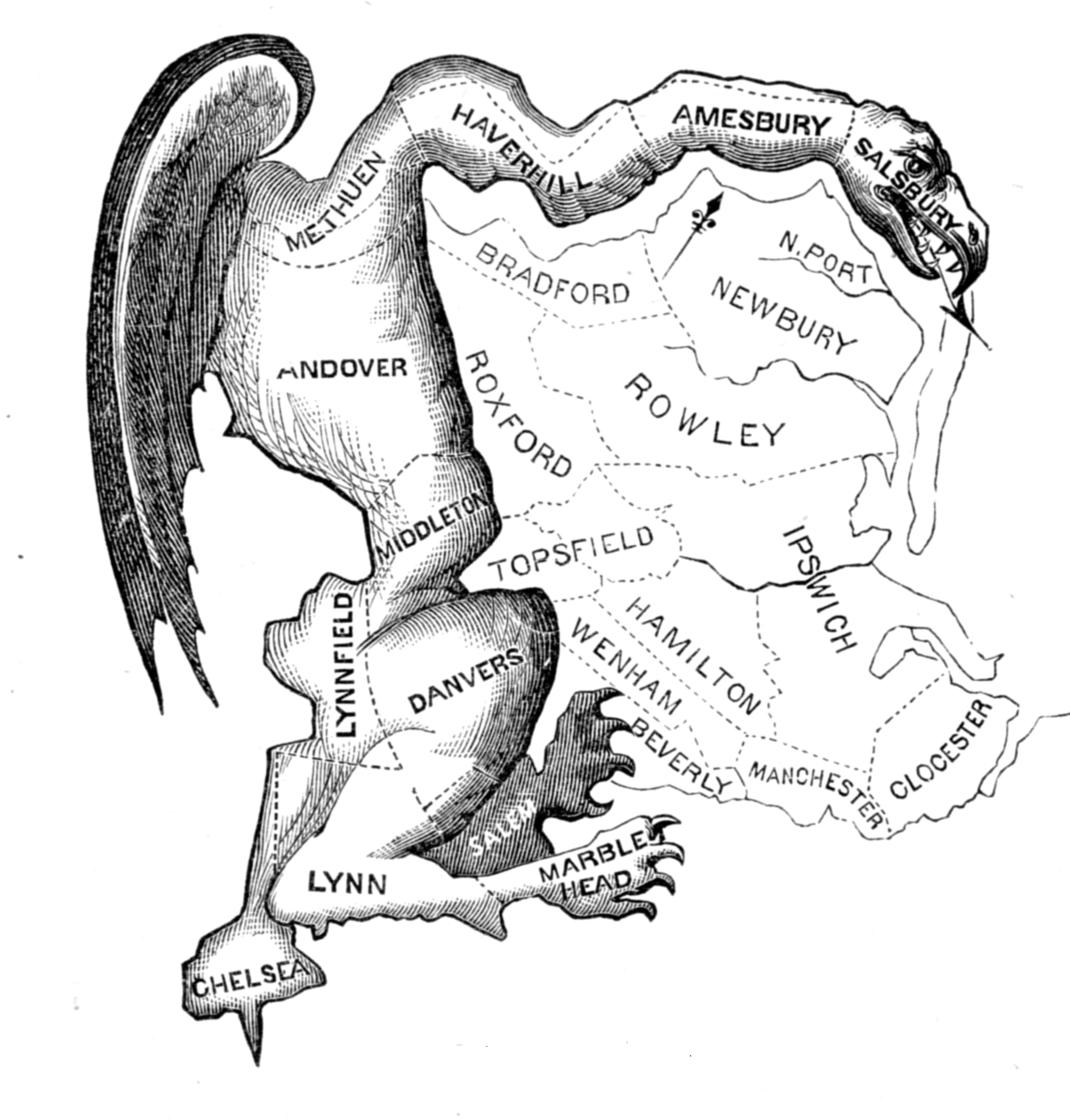
The term ‘gerrymandering’ derives from the name of Massachusetts Governor Elbridge Gerry, who in 1812 approved a redistricting plan that created a district resembling a salamander. Since then, the term has been used to describe manipulative strategies used by politicians to secure electoral advantages. Techniques include ‘packing’ voters of one party into fewer districts and ‘cracking’ them across multiple districts to dilute their voting power.
Recent Developments in Gerrymandering
In the United States, gerrymandering remains a contentious issue as various states undergo redistricting following the 2020 Census. High-profile court cases, including rulings from the Supreme Court, have determined the legality of specific maps where gerrymandering was alleged. A notable case in North Carolina saw the state’s congressional map deemed unconstitutional due to excessive partisan bias, prompting a search for fairer boundaries.
Similarly, in the United Kingdom, the debate surrounding gerrymandering has resurfaced, especially following discussions about electoral reforms and boundary reviews. Critics argue that specific redistricting proposals are attempts to favour the ruling party. The Electoral Commission has called for greater transparency and fairness in the redistricting process to mitigate these concerns.
The Consequences of Gerrymandering
The effects of gerrymandering are far-reaching. It can lead to a lack of competition in elections, where incumbents are virtually guaranteed to win, discouraging voter turnout. Moreover, gerrymandering can exacerbate partisan divides, as districts become more homogeneous, reducing opportunities for cross-party dialogue and collaboration. Scholars have linked gerrymandering to increased political extremism, undermining the possibility of reaching consensus on crucial issues.
Conclusion
As gerrymandering continues to shape electoral landscapes, it is essential for voters to remain informed and engaged. Advocates for reform urge citizens to support independent commissions for redistricting as a strategy to combat the issues associated with gerrymandering. The significance of this issue cannot be understated; how electoral boundaries are drawn will determine the future of democratic representation. For a healthier democracy, it is imperative to identify and challenge gerrymandering practices that threaten fair political representation.