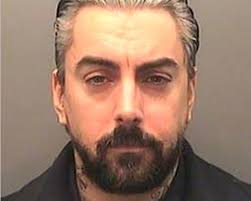
Introduction
The case of Ian Watkins, the former lead singer of the band Lostprophets, remains a significant point of discussion within the music industry and beyond. His arrest in 2012 for sexual offences, including the sexual assault of children, sent shockwaves through the community and raised substantial awareness about child exploitation. As he continues to serve his lengthy prison sentence, the implications of his actions resonate, prompting discussions about accountability in the music industry.
Background of the Case
Watkins was arrested in December 2012 and subsequently sentenced to 29 years in prison in 2013 after pleading guilty to numerous charges, including the attempted rape of a baby. During the trial, horrifying details emerged regarding his collaboration with fan parents to abuse their children. This case not only led to his conviction but also raised questions about the responsibilities of management and fans in safeguarding vulnerable individuals.
Current Status
As of 2023, Watkins remains incarcerated at HM Prison Wakefield, notorious for housing serious offenders. Recent reports indicate that he has been subject to various safety protocols, given the high public interest in his case. Despite his incarceration, Watkins has remained a topic of conversation, particularly regarding how society handles similar cases and the messages that are sent to the music community.
Impact on the Music Industry
The fallout from Watkins’ conviction has had a substantial impact on the music industry. Many artists and fans have called for greater scrutiny and awareness regarding inappropriate behaviour among artists, pushing for policies that protect minors from potential exploitation. Some music festivals and events have begun implementing stricter background checks for performers and staff to ensure safer environments for younger audiences.
Conclusion
The Ian Watkins case serves as a chilling reminder of the potential for abuse within celebrity culture. It has invoked a broader discussion around responsibility within the music industry and the necessary steps for prevention. The repercussions of his actions are profound, and as society continues to evolve in its approach to child protection, the case remains a key reference point for discussions about trust, accountability, and safeguarding in entertainment. Moving forward, it is imperative that lessons learned from this case guide future policies to ensure that such abuses are prevented and that vulnerable individuals are protected.



