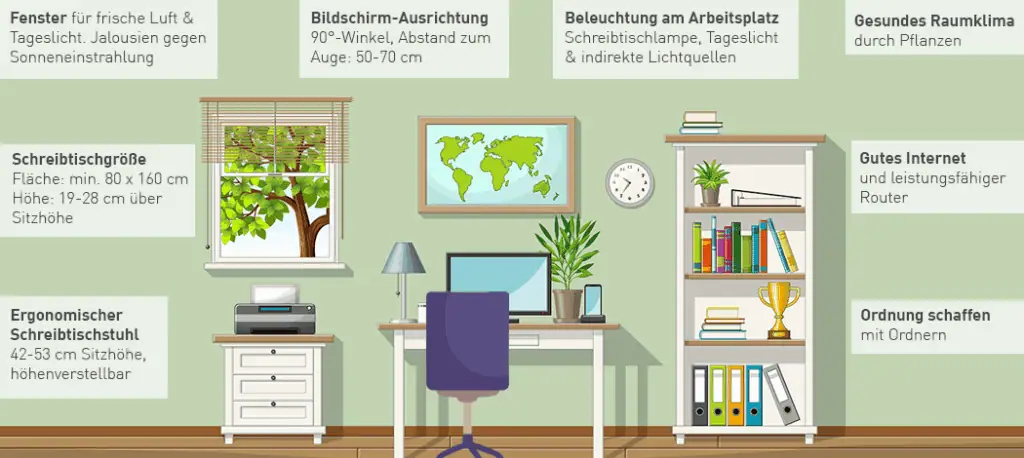
Introduction: The Rise of the Home Office
In recent years, the concept of the home office has gained substantial attention, especially due to the global pandemic that reshaped traditional work environments. As businesses adopted remote working policies, the home office transitioned from a temporary solution to a permanent fixture in many employees’ lives. Understanding the importance of this shift is essential, as it has profound implications for productivity, work-life balance, and company culture.
Main Body: Transforming Work Environments
Statistics indicate that as of 2023, approximately 30% of the UK workforce continues to work remotely at least one day a week, according to the Office for National Statistics. This rise in remote working has pushed organisations to rethink office spaces, leading to less emphasis on physical presence and more on productivity and collaboration. For many, the home office offers increased flexibility, reducing commute times and allowing for a personalised work environment.
Companies have responded by investing in resources for their employees. A survey from the Chartered Institute of Personnel and Development (CIPD) found that 54% of employers have enhanced their remote working policies, providing tools such as ergonomic furniture stipends, flexible hours, and mental health support. Interestingly, businesses are also more inclined to hire talent from a wider geographical area, thanks to the flexibility of remote work, which ultimately fosters a more diverse workforce.
However, the home office concept is not without its challenges. Issues such as isolation, overworking, and difficulties in maintaining a boundary between personal and professional life have arisen. Research from the Mental Health Foundation suggests that remote workers are at a heightened risk of burnout, with 53% reporting feelings of isolation. Thus, organisations are increasingly recognising the necessity of supporting their employees’ mental health through regular check-ins, virtual team-building activities, and accessible communication channels.
Conclusion: The Future of the Home Office
As the home office continues to become an integral part of the work culture, its significance cannot be overlooked. The success of this model depends on how well organisations can adapt to a hybrid future, balancing remote work with in-person collaboration.
Looking ahead, experts predict that the home office will persist as a dominant work arrangement, encouraging businesses to engage in more flexible work practices while ensuring employee wellbeing remains a priority. For readers, understanding this change is crucial, as it lays the foundation for a future where work-life dynamics are continually evolving, ultimately redefining productivity and engagement.