Introduction
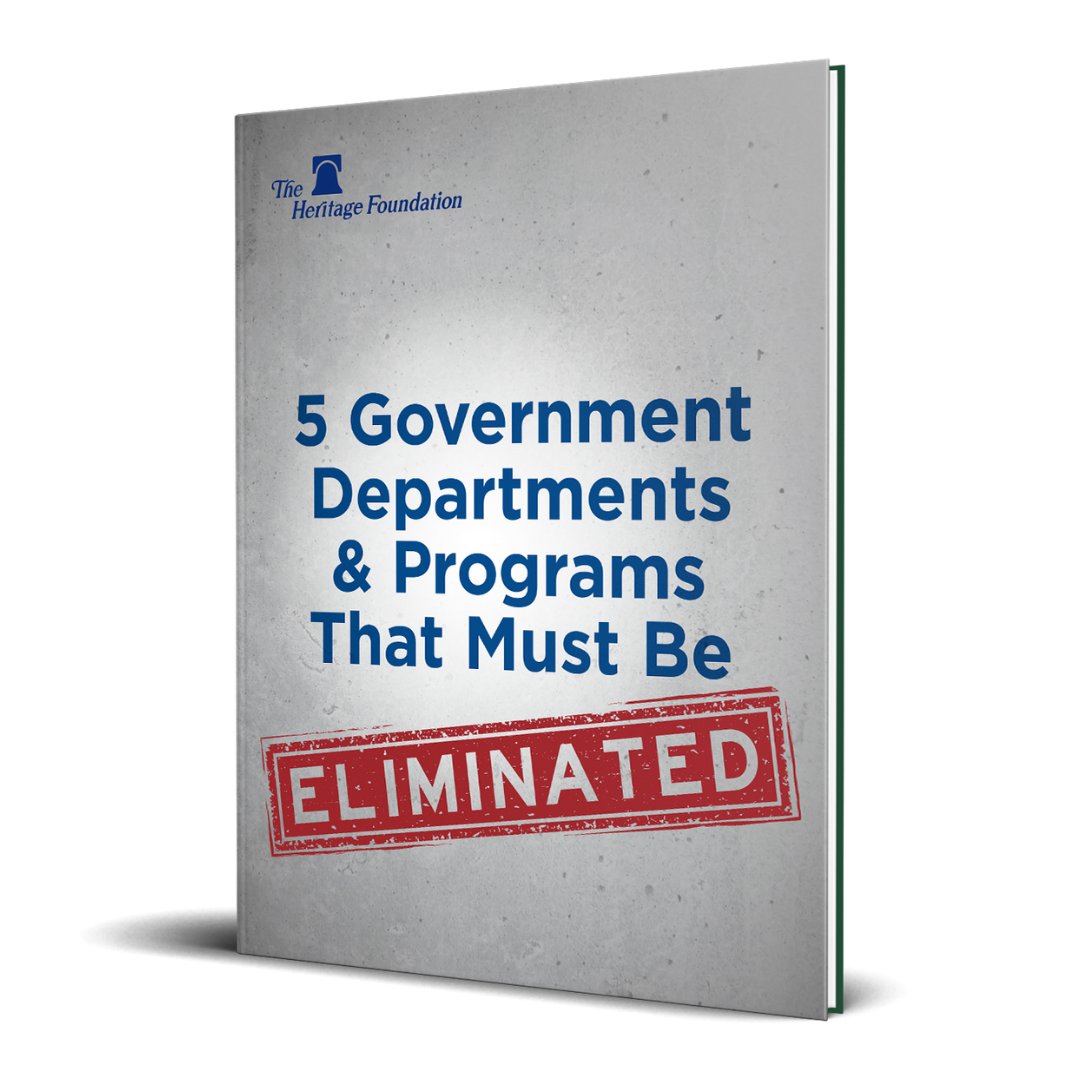
The Heritage Foundation, established in 1973, has become a cornerstone of conservative ideology and policy formulation in the United States. With its extensive research and advocacy efforts, the Foundation has played a pivotal role in influencing both Republican and Democratic policies over the decades. The organisation’s relevance has grown in light of the current political landscape as it seeks to advance principles such as limited government, free markets, and individual liberty.
Background and Mission
Founded by Paul Weyrich, Ed Feulner, and Joseph Coors, the Heritage Foundation was created to promote conservative values and provide intellectual support for conservative policymakers. Its mission emphasizes the importance of individual responsibility, family, community, and the free enterprise system. Over the years, the Foundation has developed numerous policy proposals and recommendations that have been adopted by lawmakers across the political spectrum.
Impact on Recent Policies
In recent times, the Heritage Foundation has continued to wield significant influence on a variety of issues, including healthcare, taxation, and national security. One of its most notable contributions is the development of the “A Better Way” agenda, which provides a policy framework for Republicans looking to repeal and replace the Affordable Care Act. The Foundation’s think tank has also been instrumental in advocating for tax reform, particularly the Tax Cuts and Jobs Act of 2017, which led to substantial tax reductions for corporations and individuals.
Challenges and Criticism
Despite its successes, the Heritage Foundation has faced criticism from various quarters, particularly regarding its positions on climate change and social issues. Critics argue that the Foundation has downplayed the urgency of climate action and promoted policies that could exacerbate social inequalities. Nonetheless, the Foundation stands firm in its advocacy for free-market principles, arguing that economic growth and innovation will ultimately address many of society’s challenges.
Conclusion
Looking ahead, the Heritage Foundation remains a critical player in American politics. With its ability to shape policy and frame public discourse, it is likely to influence future elections and legislative developments. As voters and policymakers grapple with complex issues, the Foundation’s insights and recommendations will continue to resonate within conservative circles and beyond. For readers interested in understanding the ideological battles shaping the nation, following the Heritage Foundation’s work is essential.



