Introduction
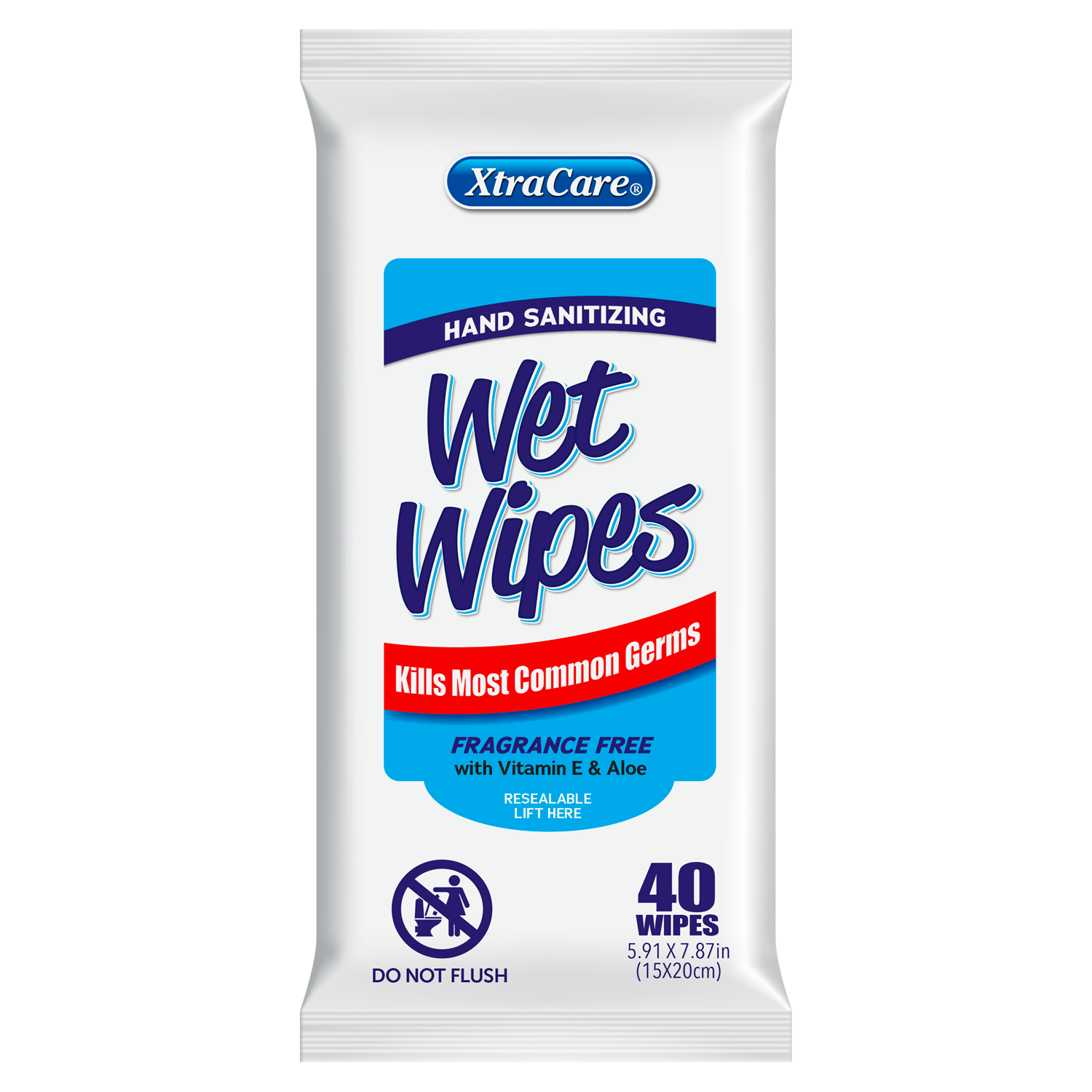
As the use of wet wipes surges globally, health authorities and environmental organisations are sounding alarms about their safety and impact. Wet wipes, once considered a convenient hygiene tool, may pose significant risks to both human health and the environment. This article delves into the concerns raised by experts and the implications for consumers.
The Concerns Surrounding Wet Wipes
Recently, several studies have indicated that many wet wipes, particularly those marketed as ‘flushable,’ do not break down as advertised. According to a report by the UK Water Industry, over 93% of sewer blockages are caused by non-biodegradable items, and wet wipes top the list. Moreover, the environmental impact is profound, as these products often contain plastics, which contribute to pollution in oceans and harm marine life.
Health Risks
Alongside environmental concerns, there are health warnings associated with the use of wet wipes. An investigation published in the Journal of Clinical Microbiology highlights that many wipes can contain harmful chemicals and preservatives that could irritate sensitive skin or exacerbate conditions like eczema. Health professionals recommend considering alternative products, particularly for vulnerable populations such as infants and individuals with skin sensitivities.
Consumer Choices Moving Forward
In light of these concerns, experts advise consumers to re-evaluate their use of wet wipes. Many recommend switching to water-based alternatives, such as cloth wipes or using plain water for cleaning. The ‘Scrap the Wipes’ campaign is advocating for reduced consumer reliance on these products while promoting sustainable hygiene practices.
Conclusion
The growing wet wipes warning reflects a critical awareness of the environmental and health implications of everyday hygiene products. Consumers play a vital role in addressing these challenges through informed choices. By opting for more environmentally friendly alternatives and advocating for stricter regulations on disposable wipes, society can work towards a cleaner environment and healthier communities.