Introduction
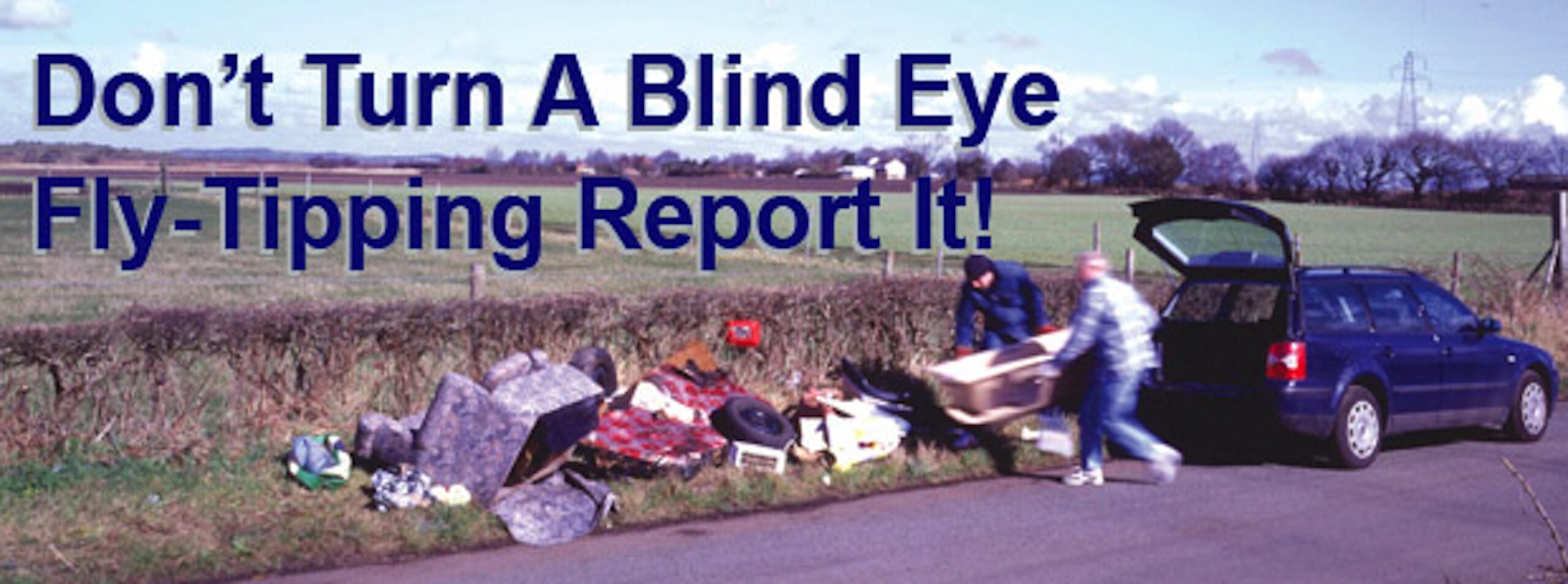
Fly tipping, the illegal dumping of waste on land not licensed to accept it, has become an increasingly pressing issue across the UK. This environmental crime not only poses significant risks to public health but also creates financial burdens for local councils responsible for cleaning up the debris. With an estimated £500 million spent annually by local authorities to address this problem, it is a topic that demands urgent attention and action.
Current Situation
Data from the Department for Environment, Food & Rural Affairs (DEFRA) reveals that there were over one million incidents of fly tipping recorded in England alone in the year 2022-2023. This marks a 16% increase compared to the previous year. Particularly affected areas include urban environments, where the visibility of rubbish piles can detract from community aesthetics and lead to increased local crime rates.
In response to rising incidents, local councils have ramped up efforts to combat fly tipping. Initiatives include increased surveillance, public awareness campaigns, and tougher penalties for offenders. For instance, in London, Transport for London (TfL) has introduced new measures to monitor hotspots and deter illegal dumping through CCTV and stakeholder partnerships.
Consequences of Fly Tipping
The consequences of fly tipping extend beyond mere unsightliness. Piles of illegally dumped waste can attract vermin, contaminate soil, and potentially pose health risks to the environment and communities. Certain materials, such as old tyres, electronic waste, or hazardous substances, can be especially detrimental, leading to possible legal ramifications for offenders. Furthermore, the clear-up costs fall disproportionately on local authorities, diverting funds away from essential community services.
Community Action and Future Outlook
Communities are increasingly showing resilience against fly tipping by banding together and reporting incidents through apps and dedicated hotlines. Grassroots initiatives are also gaining traction, wherein local residents actively clean up their neighbourhoods and report illegal dumping. Collaborative efforts with local businesses and community groups not only improve the environment but also foster social cohesion.
Moreover, innovation in waste management and recycling could serve as a long-term solution to address the root causes of fly tipping. Local authorities and waste management companies are exploring blockchain technology to better track waste disposal. These technological advancements can provide accountability and discourage illegal dumping.
Conclusion
Fly tipping is an illegal activity that threatens public health and the environment, while straining council budgets. While immediate actions are being taken by authorities and communities, a comprehensive long-term strategy that incorporates community education, technological advancements, and stricter penalties is essential to combat this issue effectively. With ongoing initiatives, there is hope that the battle against fly tipping will see significant progress, restoring the integrity of public spaces across the UK.



