Introduction
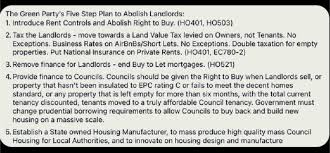
The Green Party’s recent proposal to abolish landlords has sparked significant debate across the United Kingdom. This controversial stance aims to address the ongoing housing crisis, which has resulted in soaring rents and increasing homelessness. With the cost of living crisis affecting millions, the Green Party believes that a radical shift in housing policy is necessary to create a fairer and more equitable society.
The Proposal
During their recent conference, the Green Party unveiled a plan to phase out private landlords, transitioning to a system where housing is primarily owned and managed by local authorities or housing cooperatives. Party leaders argue that this measure would ensure secure and affordable housing for all, which they deem a basic human right. They cite data showing that private landlords often contribute to housing insecurity and inflated rents, making it increasingly difficult for families and individuals to find stable accommodation.
Current Housing Crisis
The relevance of this proposal lies in the current state of the housing market in the UK. According to recent statistics from the Office for National Statistics, over 4 million households in England are renting privately, many facing substantial financial strain. Nationwide, private rent prices have seen a steep rise, with many tenants spending over 40% of their income on rent, leading to a rise in the number of people seeking social housing.
Arguments For and Against
Proponents of the Green Party’s initiative argue that abolishing landlords is a necessary step toward equitable housing. They contend that managing housing through public entities would reduce exploitation and help communities retain control over local living conditions. Conversely, critics of the proposal warn that such a drastic change could lead to unintended consequences, including a potential decline in housing quality and availability. Property rights and the potential impact on the housing economy are also under scrutiny, as many question whether the state can efficiently manage and allocate housing resources.
Conclusion
The Green Party’s bold call to abolish landlords reflects their commitment to addressing systemic inequalities in housing. While their proposals have reignited conversations about tenant rights and the future of housing policy in the UK, it remains to be seen how much traction the idea will receive among policy makers and the broader public. As the pressures from the housing crisis continue to grow, discussions around radical approaches may become increasingly necessary. The significance of this movement is sure to resonate as the nation navigates one of its most challenging social issues.



