Introduction
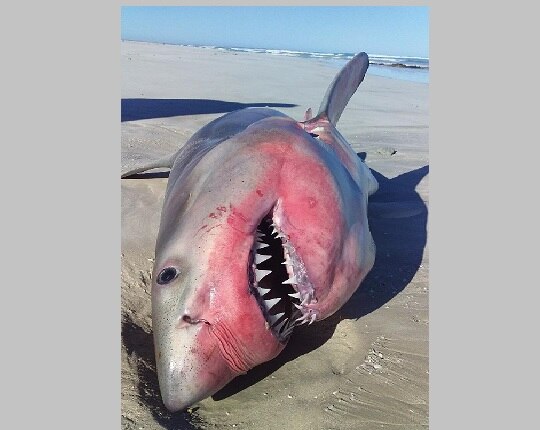
The great white shark (Carcharodon carcharias) is one of the ocean’s most formidable predators, known for its size, strength, and distinctive appearance. With reports of increasing shark sightings and conservation efforts to protect their habitats, understanding this species is more crucial than ever. As the oceans face various environmental changes, it is vital to recognise the role of great white sharks in maintaining the balance of marine ecosystems.
Current Events and Research
Recent studies indicate that great white shark populations are experiencing fluctuations due to human activities and climate change. According to a September 2023 report from the Marine Conservation Society, the numbers of tagged great white sharks along the UK coast have risen, suggesting a potential increase in their migration patterns towards temperate waters.
The report highlights the significance of marine protected areas, which have been established to shelter these sharks from fishing and other human interference. The effective enforcement of these areas has shown promising results, as observed in the Monterey Bay Marine Sanctuary, where a notable population recovery has been recorded.
Conservation Efforts
Worldwide, various organisations are dedicated to the conservation of the great white shark. In the United States, California’s Department of Fish and Wildlife has launched initiatives to educate the public about shark safety and protection, following a series of positive public encounters in the state’s coastal waters. In Australia, the government has implemented stricter regulations against shark culling, advocating for a more harmonious relationship between humans and sharks.
The Importance of Great White Sharks
Great white sharks play an essential role in marine ecosystems by acting as apex predators. They help regulate prey populations and maintain the health of the ocean’s food chain. The decline of shark populations can lead to an overabundance of certain species, which may disrupt the ecological balance. Therefore, their preservation is intrinsically linked to the health of marine life.
Conclusion
Understanding the great white shark is essential for fostering respect and protection for this magnificent creature. As climate change and human activities continue to impact the oceans, conservation efforts must be prioritised to ensure that these apex predators thrive in their natural environments. By continuing to study their behaviours and habitats, we not only appreciate their beauty but also safeguard the fragile ecosystems they inhabit. The future of great white sharks depends on our commitment to preserve the ocean’s biodiversity.