Introduction
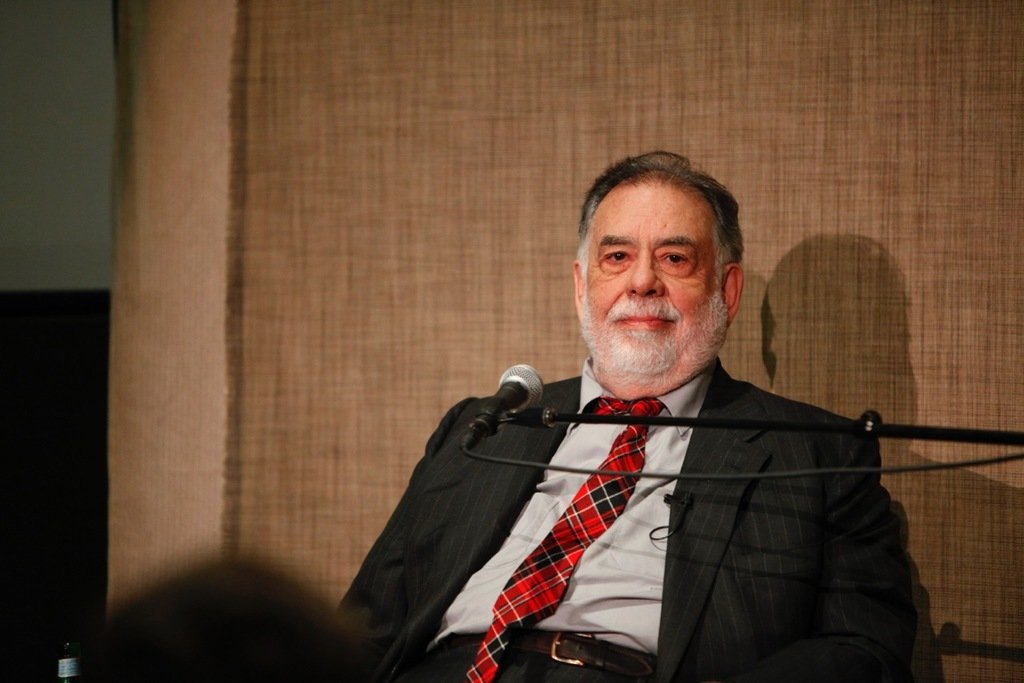
Francis Ford Coppola is synonymous with American cinema, revered as one of the most influential filmmakers of the 20th century. His works, most notably ‘The Godfather’ series, transformed storytelling in film and solidified his place as a cultural icon. As contemporary filmmakers continue to draw inspiration from his narrative style and character development, understanding Coppola’s contribution to the industry remains vital.
Early Life and Career
Coppola was born on April 7, 1939, in Detroit, Michigan. Growing up in a creative family, he developed a passion for film at an early age. After studying at UCLA Film School, he quickly made a name for himself with films like ‘You’re a Big Boy Now’ (1966) and ‘The Rain People’ (1969). However, it was his adaptation of Mario Puzo’s novel ‘The Godfather’ (1972) that catapulted him to international acclaim.
The Godfather Trilogy
‘The Godfather’ revolutionised the gangster genre and set a new standard for cinematic storytelling. The film, featuring iconic performances from Marlon Brando and Al Pacino, won three Academy Awards and introduced unforgettable quotes that have permeated popular culture. Coppola’s ability to weave complex familial themes with a backdrop of organised crime resonated with audiences and critics alike.
The sequel, ‘The Godfather Part II’ (1974), is often regarded as one of the greatest films ever made, further deepening the saga of the Corleone family while also exploring themes of ambition, power, and betrayal. Coppola’s mastery in directing and screenwriting won him two more Oscars and solidified his reputation. The trilogy culminated in ‘The Godfather Part III’ (1990), which, while less acclaimed than its predecessors, still showcased Coppola’s enduring vision and storytelling prowess.
Later Career and Achievements
Beyond ‘The Godfather,’ Coppola has directed numerous other significant films, such as ‘Apocalypse Now’ (1979), which examined the absurdities of war and earned him a Palme d’Or at the Cannes Film Festival. His innovative approach often involved the blending of personal experiences with broader themes, resulting in works that resonate on multiple levels.
Coppola has continually pushed boundaries, both as a filmmaker and a businessman; he established the American Zoetrope studio and ventured into wine production, launchign the Francis Ford Coppola Winery. His contributions to the arts extend to mentorship, nurturing a generation of filmmakers.
Conclusion
As we reflect on the cinematic legacy of Francis Ford Coppola, it is evident that his impact transcends generations. His themes remain relevant, and his storytelling techniques continue to inspire film creators worldwide. With each passing year, Coppola’s status as a titan of cinema only solidifies, making it imperative for audiences to appreciate and study his body of work for understanding the evolution of modern filmmaking.