Introduction
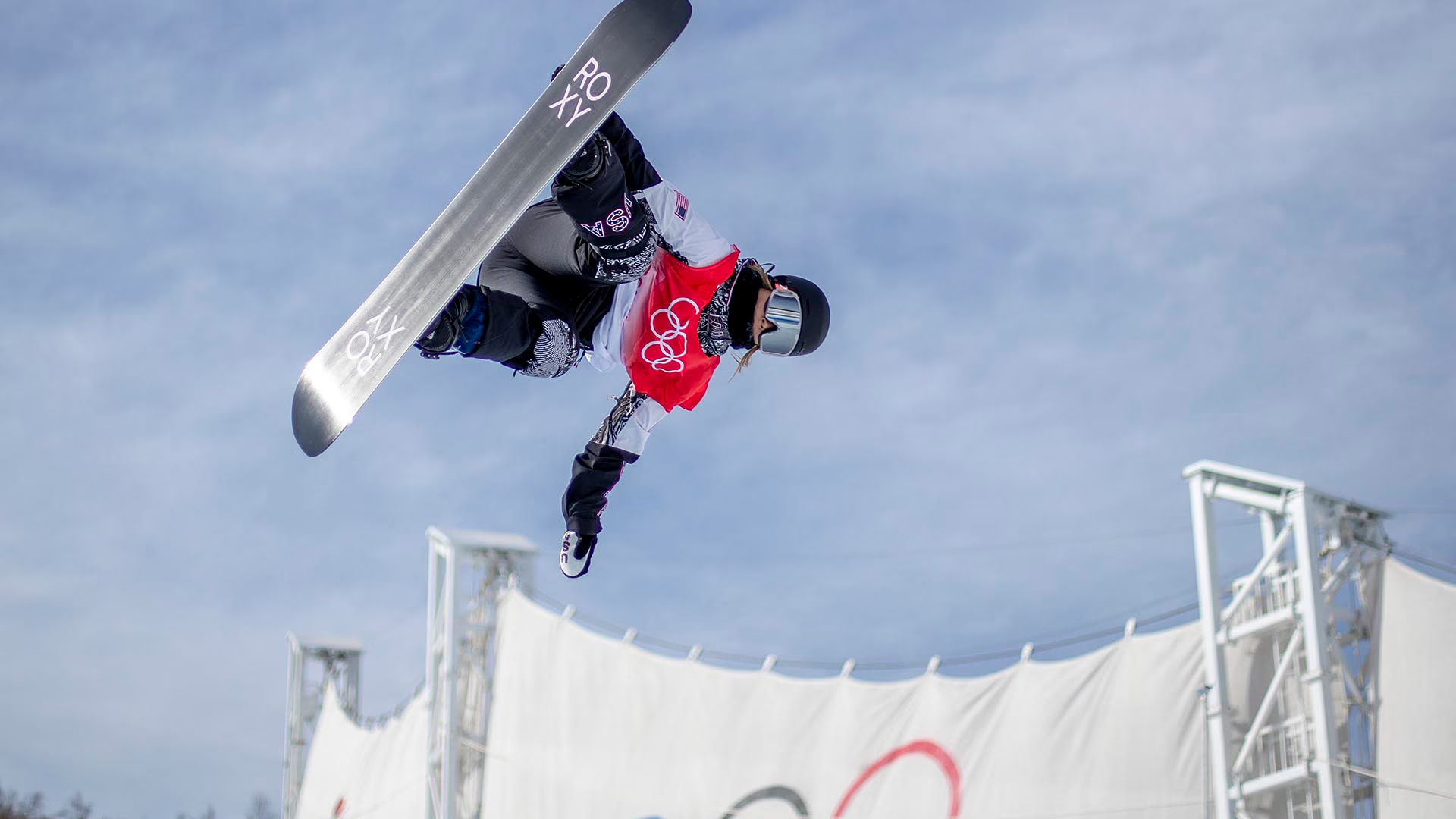
The 2026 Winter Olympics, set to take place in Milan and Cortina d’Ampezzo, Italy, is expected to showcase thrilling competitions, especially in women’s snowboarding halfpipe. This event not only demonstrates increasing opportunities for female athletes in winter sports but also highlights the progression of snowboarding as a significant Olympic sport.
The Importance of Women’s Snowboarding Halfpipe
Women’s snowboarding halfpipe was first introduced at the Winter Olympics in 2002 and has grown tremendously in popularity and competitiveness over the years. Athletes from various countries have been pushing the boundaries of what can be achieved in the halfpipe, showcasing skills and tricks that captivate audiences worldwide. The inclusion of this event at the 2026 Olympics signifies a commitment to gender equality in sports and celebrates the achievements of female athletes in the snowboarding community.
Recent Developments
As athletes prepare for the 2026 Winter Olympics, national qualifying events and international competitions are in full swing. Female snowboarders such as Chloe Kim and Anna Gasser are already making headlines with their performances. Kim, the 2018 gold medallist, has been focusing on her training to defend her title, aiming to continue her legacy as one of the sport’s leading figures. Gasser, known for her innovative tricks, will also be a strong contender for the podium, potentially influencing the dynamics within the competition as new and experienced athletes face off.
Challenges and Training
While training for the Games, athletes face various challenges, including the physical toll of intense training regimes, injury concerns, and evolving judging criteria in competitions. The snowboard halfpipe requires not just technical skill but also creativity and style, and athletes must incorporate new tricks while remaining true to their unique riding techniques. This balancing act is crucial, especially as judges look for innovation during competitions, making training not only about strength but also about artistic expression.
Conclusion
The women’s snowboarding halfpipe at the 2026 Winter Olympics is poised to be one of the highlights of the Games, reflecting the sport’s growth and the rising prominence of female athletes. As we anticipate February 2026, fans can expect thrilling performances that not only inspire future generations of snowboarders but also contribute to the ongoing narrative of gender equality in sports. The excitement surrounding this event underscores the importance of continuing to support and promote women’s sports on an international stage.