Introduction
The Chicago Bears, one of the NFL’s oldest and most storied franchises, are currently at a pivotal moment regarding their stadium situation. With high hopes for a new facility, the future of the Bears’ home games remains a vital topic of discussion among fans and civic leaders. As the team seeks to evolve and enhance the game-day experience for their supporters, the prospect of a new stadium has raised critical questions about location, funding, and community impact.
Current Situation
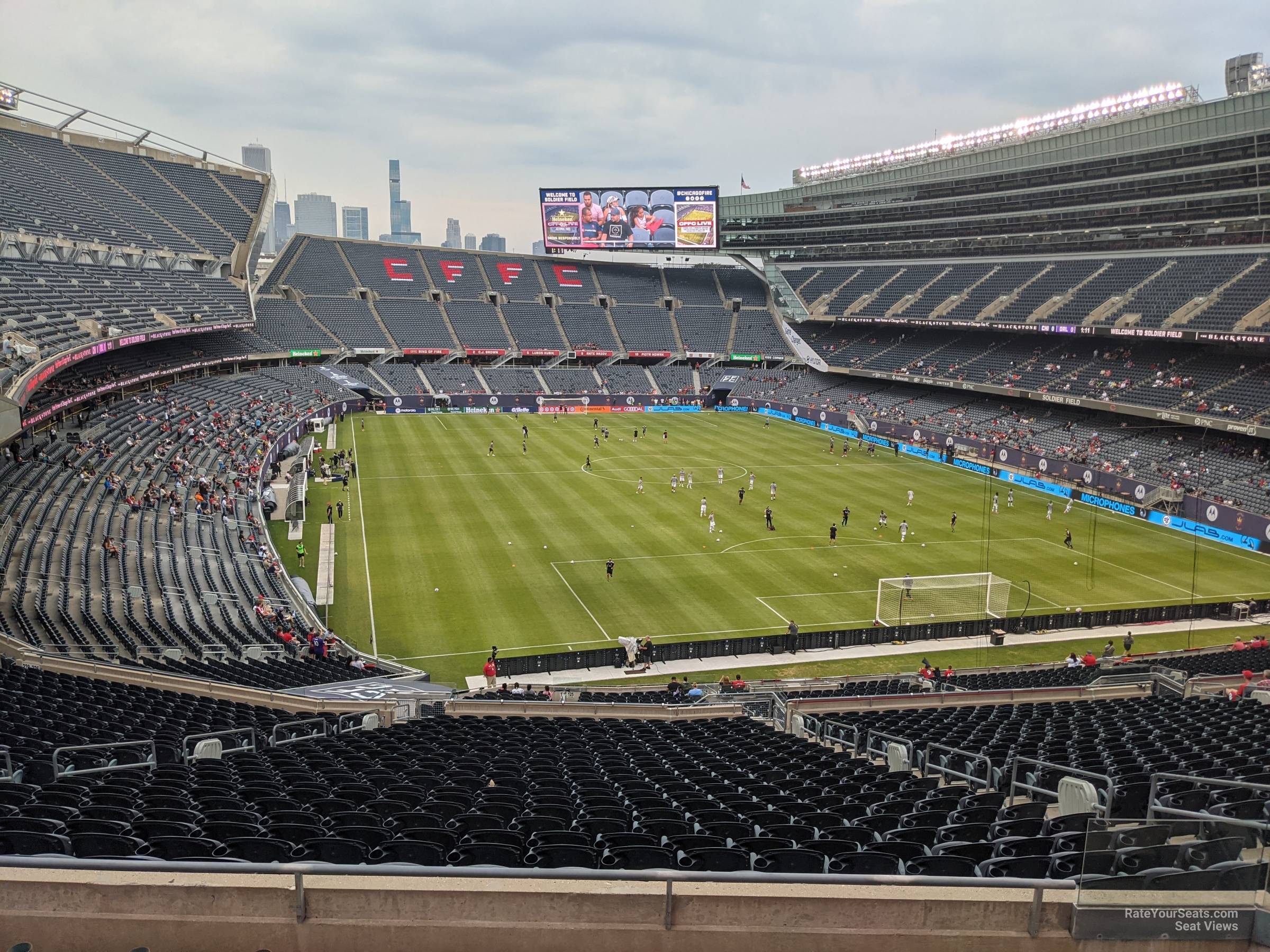
Since 1971, the Bears have called Soldier Field their home. While the iconic stadium is rich in history and tradition, it has faced ongoing criticisms due to its outdated amenities and limited capacity. In recent years, the Bears have announced intentions to explore alternative sites for a new stadium, with the potential relocation to Arlington Heights being a primary focus.
In September 2021, the Bears made headlines by purchasing the Arlington International Racecourse property for $197 million, signalling a significant shift in their plans. According to team officials, the proposed development will include a state-of-the-art stadium equipped with modern facilities that enhance fan experience and offer space for various events year-round.
Community Implications
While the excitement around a new stadium grows, local community reactions have been mixed. Proponents believe that a new stadium will attract additional economic activity, create jobs, and provide a modern venue for the Bears and other events. Conversely, some community members express concerns regarding traffic congestion, potential displacement, and the public funding required to support such a large-scale project.
Moreover, the Bears’ move could alter the long-standing relationship between the franchise and the city of Chicago, given Soldier Field’s significance as an historic site. Mayor Lori Lightfoot has expressed the importance of dialogue between the team and the city, indicating a willingness to explore options that retain the Bears while also respecting the historic nature of their current home.
Conclusion
As the Chicago Bears continue to deliberate on their future stadium options, it is clear that the decision will have lasting implications for both the team and the city. The envisioned new stadium not only aims to elevate the Bears’ game-day experience but also seeks to foster economic growth in the surrounding areas. With discussions ongoing, fans and residents alike will be watching closely to see how the unfolding plans will impact the Bears’ legacy and the future of football in Chicago.