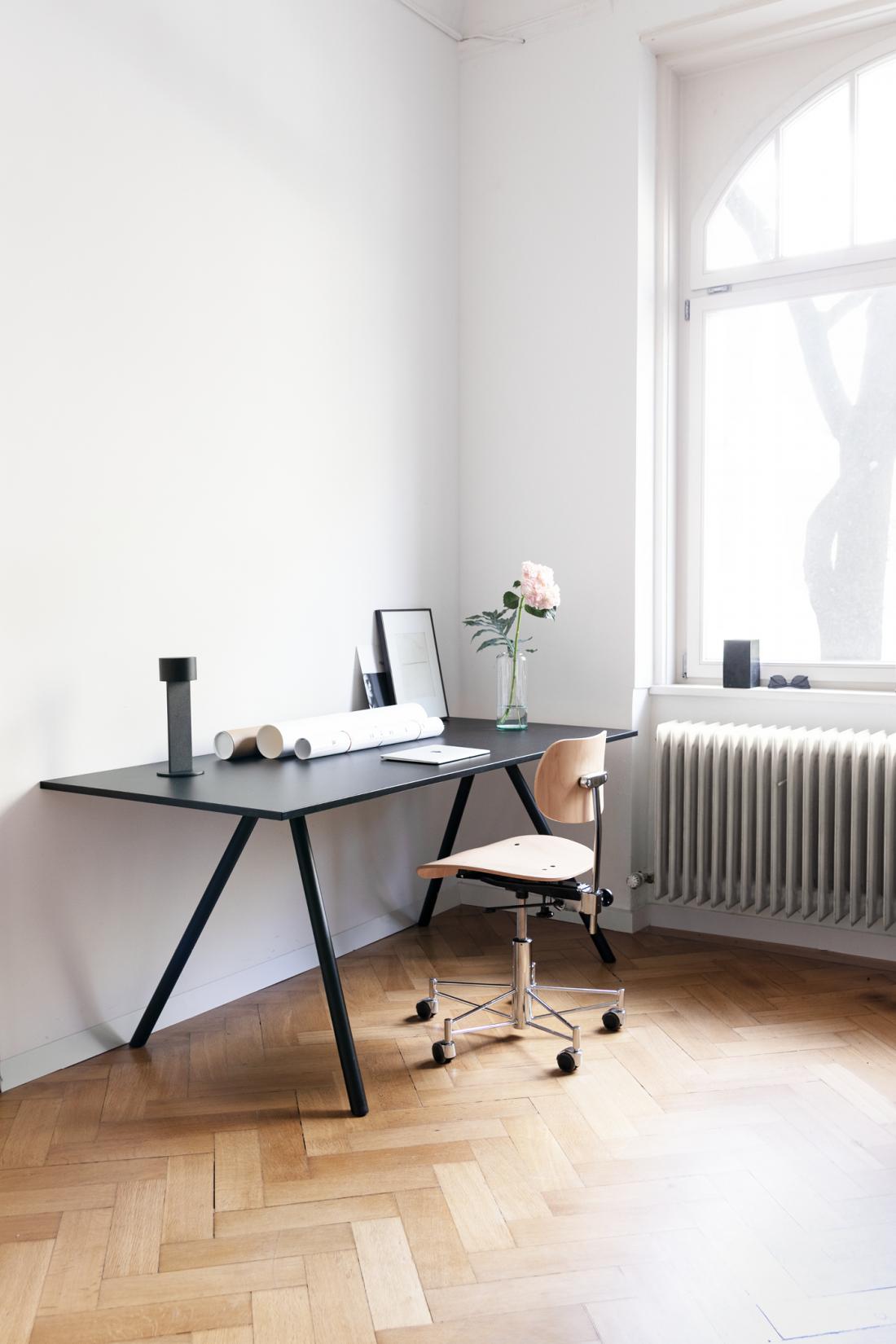
Introduction
The landscape of office work has undergone significant changes in recent years, making the topic increasingly relevant. With the rise of remote work during the COVID-19 pandemic, businesses around the globe have had to reassess how they utilise office space. This evolution not only affects employee productivity but also impacts corporate culture and economic dynamics.
Current Trends in Office Work
As we move through 2023, several key trends are shaping the future of office environments. The hybrid model, which blends in-office and remote working, has emerged as a dominant strategy. According to a recent report from the Office for National Statistics (ONS), over 40% of UK employees are now opting for some form of hybrid work arrangement, a significant rise from pre-pandemic levels.
Companies like Google and Microsoft are leading the way, allowing employees to choose where they feel most productive. This shift acknowledges that flexibility can lead to better employee well-being and job satisfaction. In fact, research from Gallup indicates that workers who can choose their work environment are 20% more engaged than those who do not.
Impact of Technology
Technology plays a crucial role in this transformation. Virtual collaboration tools, such as Zoom and Microsoft Teams, have become staples of everyday business communication. Moreover, advancements in cloud-based tools have made it easier for teams to collaborate seamlessly, regardless of their physical location. According to a report by Gartner, 75% of organisations plan to increase their investment in technology that supports hybrid work models, which further underlines the importance of an evolving office landscape.
Reimagining Office Spaces
The shift to hybrid work also means that traditional office layouts are being reimagined. Many businesses are now opting for ‘agile workspaces’—flexible areas that can be adapted to a variety of work styles. This includes more collaborative spaces, quiet zones, and areas for spontaneous meetings, as companies strive to create environments that foster creativity and collaboration.
Conclusion
As we look to the future, it’s clear that the office environment will continue to evolve in response to employee needs and technological advancements. Businesses that embrace flexible working models and invest in effective technology will likely see improved employee satisfaction and productivity. The future of office work in 2023 is not just about where we work, but how we work, as organisations adapt to a new world of work that prioritises well-being, collaboration, and adaptability.



