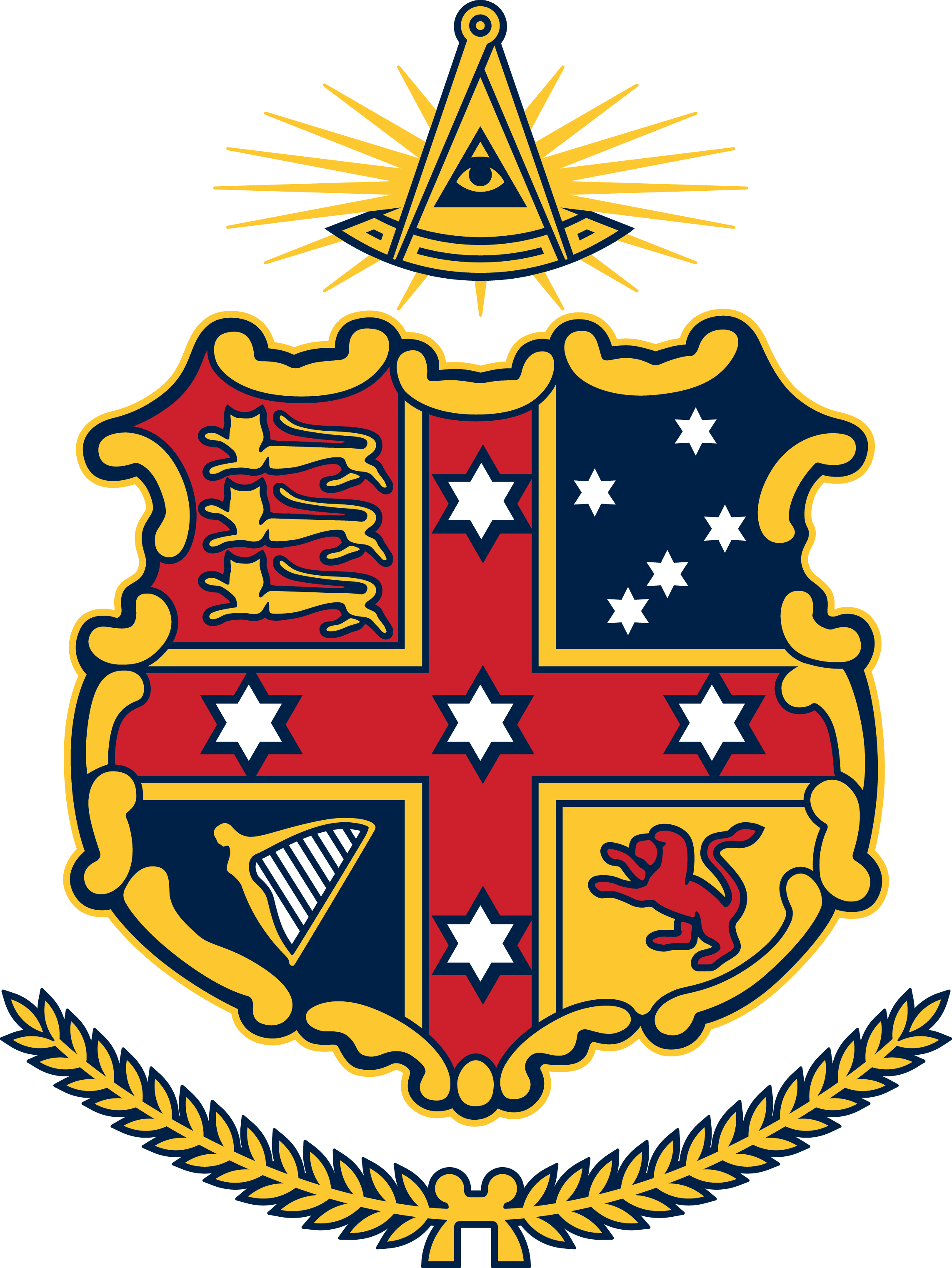
Introduction to Freemasonry
The Freemasons, one of the world’s oldest and largest fraternal organisations, have a history that dates back to the late 16th and early 17th centuries. Their legacy of brotherhood, philanthropy, and secrecy has sparked public interest and debate for centuries. In today’s society, understanding the Freemasons is crucial as they continue to influence many aspects of community service and social networking.
The Historical Context
The origins of Freemasonry can be traced back to the stone masons’ guilds of the Middle Ages in Europe, where tradesmen would gather to share skills and protect their professional secrets. Over time, these guilds evolved into more symbolic organisations, incorporating moral teachings and philosophical discussions. The first Grand Lodge was founded in London in 1717, marking the official formation of modern Freemasonry.
During the18th and 19th centuries, Freemasonry spread rapidly across Europe and America. Notable historical figures such as George Washington, Benjamin Franklin, and Winston Churchill were known Freemasons, which has contributed to the organisation’s air of intrigue. Today, there are millions of active members worldwide, engaged in mutual support and charitable activities.
Modern Relevance of Freemasonry
In the 21st century, Freemasons have adapted to societal changes while retaining their core principles of fraternity, charity, and integrity. Many lodges are involved in a variety of charitable efforts, contributing millions of pounds annually towards education, health care, and disaster relief. This commitment to philanthropy highlights the Freemasons’ ongoing relevance as community builders.
However, the organisation often faces scrutiny and conspiracy theories about its secrecy, particularly regarding its membership practices and rituals. In an era where transparency is valued, this can raise concerns among the general public. In response, many Freemasons today are working to demystify the organisation through outreach programs and public events.
Conclusion
The Freemasons maintain a complex but significant presence in contemporary society, balancing the traditional aspects of their history with modern expectations of openness and social responsibility. As they continue to evolve, the relevance of Freemasonry may shift, but its foundational values support its enduring appeal. For those intrigued by history, brotherhood, and philanthropy, the Freemasons represent a unique and continually pertinent topic to explore further.