Introduction to Solar Eclipses
Solar eclipses are extraordinary astronomical events that occur when the Moon passes between Earth and the Sun, temporarily blocking the Sun’s light. These phenomena have intrigued humanity for centuries, influencing culture, science, and even mythology. As we approach a new series of solar eclipses, understanding their significance and mechanics becomes ever more important.
Types of Solar Eclipses
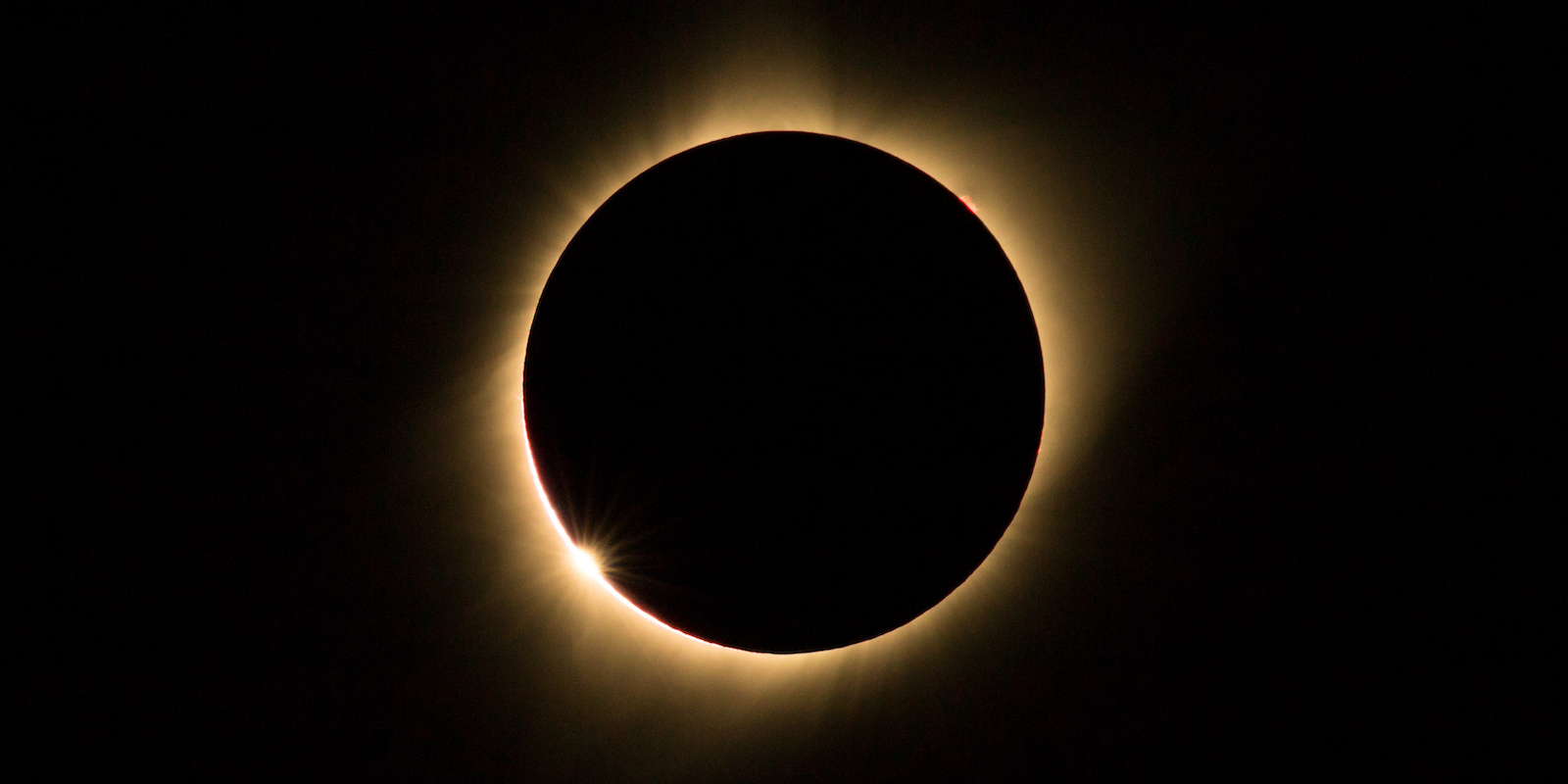
There are three main types of solar eclipses: total eclipses, partial eclipses, and annular eclipses. A total solar eclipse occurs when the Moon completely covers the Sun, casting a shadow on Earth and turning day into night for a few moments. This is the most dramatic type of eclipse, offering a rare chance to witness the Sun’s corona. In contrast, a partial solar eclipse happens when only a portion of the Sun is obscured by the Moon, and an annular eclipse occurs when the Moon is too far from Earth to completely cover the Sun, resulting in a ‘ring of fire’ effect.
Recent and Upcoming Solar Eclipses
Recent solar eclipses have attracted significant public interest. The total solar eclipse on 12 August 2026 will follow a path across the Arctic, Greenland, Iceland, and Spain, providing a spectacular view for millions. Following that, another total solar eclipse is expected on 22 July 2028, crossing parts of Australia and New Zealand. These events not only offer a breathtaking visual experience but also provide scientists with opportunities to study the Sun’s corona and the effects of solar activities on Earth’s atmosphere.
Significance of Solar Eclipses
Solar eclipses have historically held great significance, inspiring awe and fear in different cultures. They have been seen as omens, religious events, or timings for festivals. In modern science, eclipses contribute to our understanding of solar radiation, atmospheric phenomena, and even the gravitational field of the Moon. The upcoming eclipses provide a perfect opportunity for educators and astronomers to engage with the public, encouraging interest in STEM (Science, Technology, Engineering, and Mathematics) fields.
Conclusion
As we look ahead to future solar eclipses, it’s essential to appreciate their beauty and significance. They remind us of the complexities of our solar system and our place within it. Observing a solar eclipse can be a life-changing experience, providing a unique sense of connection to the cosmos. Mark your calendars and prepare for these spectacular astronomical events that bridge the gap between science and art.