Introduction
Ichthyosaurs, often referred to as fish lizards, were remarkable marine reptiles that ruled the oceans during the Mesozoic Era, specifically from the Triassic to the late Cretaceous periods. These creatures are of significant importance in understanding marine evolution and biodiversity as they provide insight into the adaptations of reptiles to aquatic life. Recent findings and research have reignited interest in ichthyosaurs, shedding light on their biology, behaviour, and extinction.
Physical Characteristics
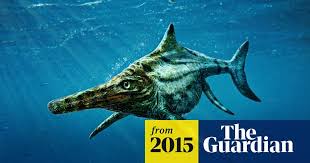
Ichthyosaurs were distinctively shaped for life in the water, featuring streamlined bodies, long snouts, and large eyes, which are believed to have helped them hunt in deeper waters. They varied in size, with some species growing up to 20 feet long. Their paddle-like limbs were adaptations for swimming, while some species exhibited characteristics akin to modern dolphins, including a form of echolocation. Fossils have revealed that ichthyosaurs had live births, a rare trait among reptiles, indicating a significant evolutionary adaptation.
Recent Discoveries
In recent years, paleontologists have made groundbreaking discoveries. A 2023 study published in the journal *Nature* highlighted the discovery of a remarkably preserved ichthyosaur fossil off the coast of England. This fossil, which dates back approximately 200 million years, has provided invaluable information regarding their growth patterns and ecological adaptations. The find has been hailed as a significant contribution to our understanding of how ichthyosaurs interacted with their environment, including their dietary choices and predator-prey relationships.
Extinction and Significance
The eventual extinction of ichthyosaurs remains a topic of research and debate. While climate change, sea-level fluctuations, and competition with other marine reptiles such as plesiosaurs and mosasaurs have been suggested contributors, the exact causes are still being explored. The ichthyosaur’s role in marine ecosystems gives us crucial insights into the effects of environmental changes on species, enhancing our understanding of current climate change actions and their potential impacts on marine life.
Conclusion
Ichthyosaurs are not just fascinating relics of the past; they are an essential part of studying evolutionary biology and ancient marine ecosystems. As new discoveries continue to surface, they enrich our understanding of the adaptability and diversity of life on Earth. Future research will likely uncover more about these intriguing creatures, revealing lessons that can inform contemporary issues concerning marine biodiversity and conservation.



