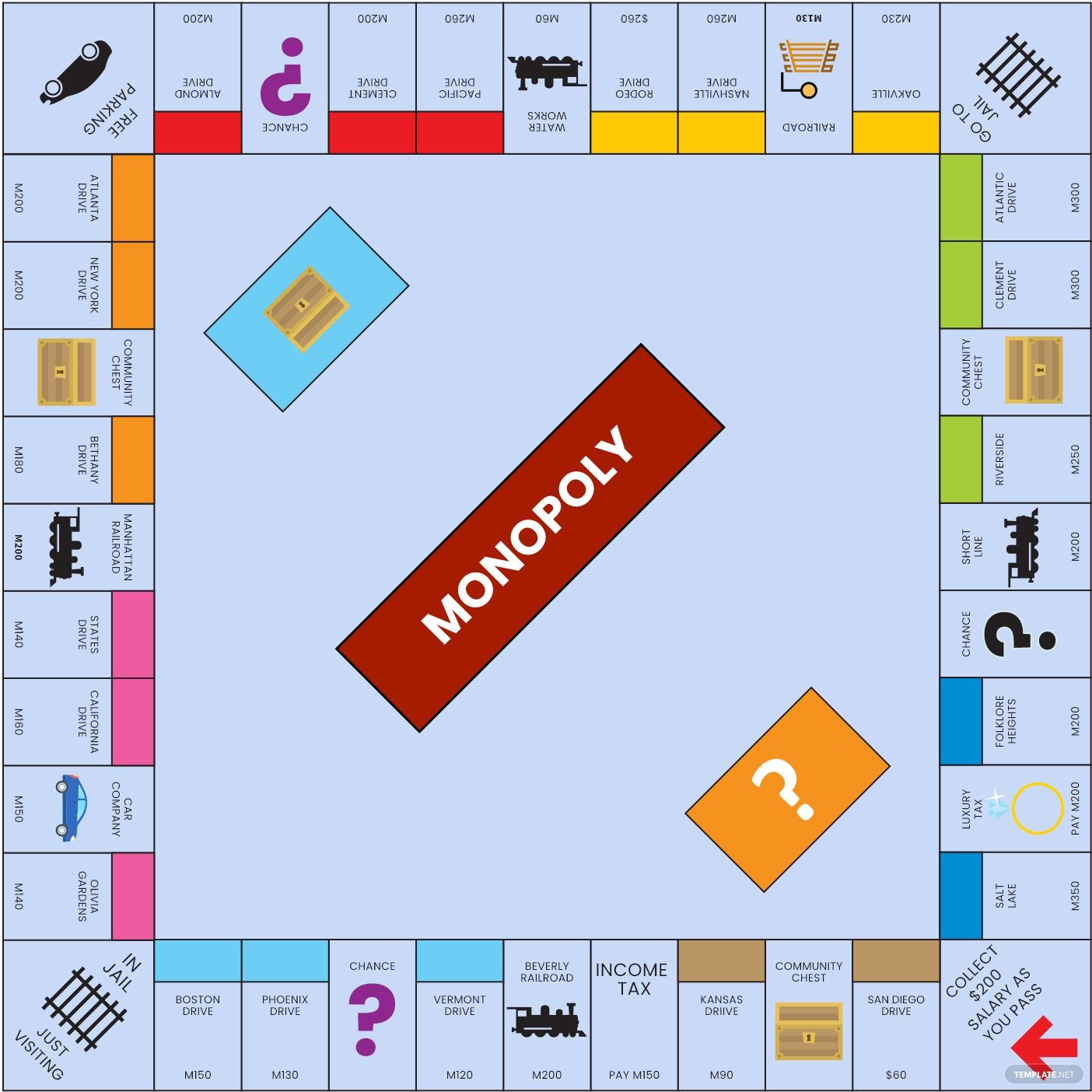
Introduction to the Monopoly Board Game
The Monopoly board game, a favourite pastime around the world, not only offers entertainment but also reflects significant social and economic themes. Launched in the early 20th century, it has evolved into a cultural icon. Understanding its history and relevance helps us appreciate its role in promoting creativity and strategic thinking.
A Brief History
Created in 1935 by Charles Darrow and produced by Parker Brothers, Monopoly gained immense popularity during the Great Depression. The game’s premise revolves around real estate transactions and economic strategies, appealing to individuals looking for a sense of control and wealth accumulation during tough times. The board features famous locations such as Boardwalk and Park Place, inspired by Atlantic City, New Jersey.
Commercial Success and Variations
Since its inception, Monopoly has sold over 275 million copies worldwide, making it one of the best-selling board games in history. Its commercial success has spawned numerous variations tailored to different themes and franchises, from popular movies to city editions. Recently, in 2022, Hasbro introduced a limited-edition version featuring sustainable game pieces, marking a shift towards eco-conscious design.
Impact on Culture and Society
The cultural impact of the Monopoly board extends beyond mere gameplay. It has inspired films, television shows, and even digital platforms, further solidifying its place in popular culture. The game has also been used educationally, teaching finance and critical thinking skills in classrooms worldwide. Teachers incorporate Monopoly into lessons to engage students in practical economic concepts and decision-making processes.
Conclusion and Future Trends
Despite the rise of digital gaming, the Monopoly board game remains a beloved option for family gatherings and social events. As technology progresses, Monopoly continues to adapt by introducing app versions and interactive gameplay enhancements. Its ability to pivot while retaining the core experience reflects its enduring appeal. As we look ahead, Monopoly’s influence on both gaming and educational practices will likely persist, ensuring that this classic game continues to thrive for generations to come.



