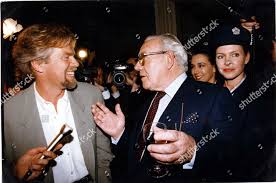
Introduction
Richard Branson, a name synonymous with innovation and entrepreneurial spirit, has become one of the most recognised figures in global business. As the founder of the Virgin Group, which spans over 40 companies across various industries, Branson’s journey is an inspiring story of resilience, creativity, and ambition. In an era where entrepreneurship is celebrated, understanding the relevance of Branson’s contributions can provide valuable insights into the modern business landscape.
Early Life and Entrepreneurial Beginnings
Born in 1950 in Surrey, England, Richard Branson struggled with dyslexia during his school years, which impacted his educational experience. However, his entrepreneurial spirit emerged early; at the age of 16, he launched his first venture, a magazine named Student. This early success laid the groundwork for what would become a lifetime of ventures across numerous sectors.
The Virgin Group and Expansion
In 1970, Branson founded Virgin Records, and the company quickly gained recognition with artists like the Sex Pistols and later, Mike Oldfield, whose album ‘Tubular Bells’ topped charts. Through the following decades, Branson expanded the Virgin brand into airlines, telecommunications, and even space travel. The launch of Virgin Galactic in 2004 aimed to revolutionise space tourism, showcasing his daring vision. The company’s recent test flights have generated significant public interest, solidifying Branson as a pioneer not only in terrestrial commerce but also in extraterrestrial exploration.
Philanthropy and Social Influence
Branson’s commitment to philanthropy is notable, with the establishment of Virgin Unite in 2004, which addresses social and environmental issues. He is an advocate of sustainable business practices, often speaking on the intersections of business, climate change, and social responsibility. By prioritising ethical considerations, Branson has influenced countless businesses to reconsider their impact on the world.
Recent Developments and Future Outlook
In recent months, Branson has continued to champion new initiatives, focusing on climate action and entrepreneurial support in developing nations. His approach encourages younger generations to engage in responsible entrepreneurship, harnessing technology to solve pressing global issues. As businesses worldwide adapt to post-pandemic realities, Branson’s forward-thinking mindset remains relevant.
Conclusion
Richard Branson’s remarkable life story embodies the essence of entrepreneurial tenacity and innovation. His diverse ventures and commitment to social issues reflect an evolving business ethos. As industries continue to face rapid changes, Branson’s journey serves as a guiding light for aspiring entrepreneurs. His legacy, marked by creativity, philanthropy, and a bold approach to challenges, continues to inspire a new wave of business leaders in the 21st century.