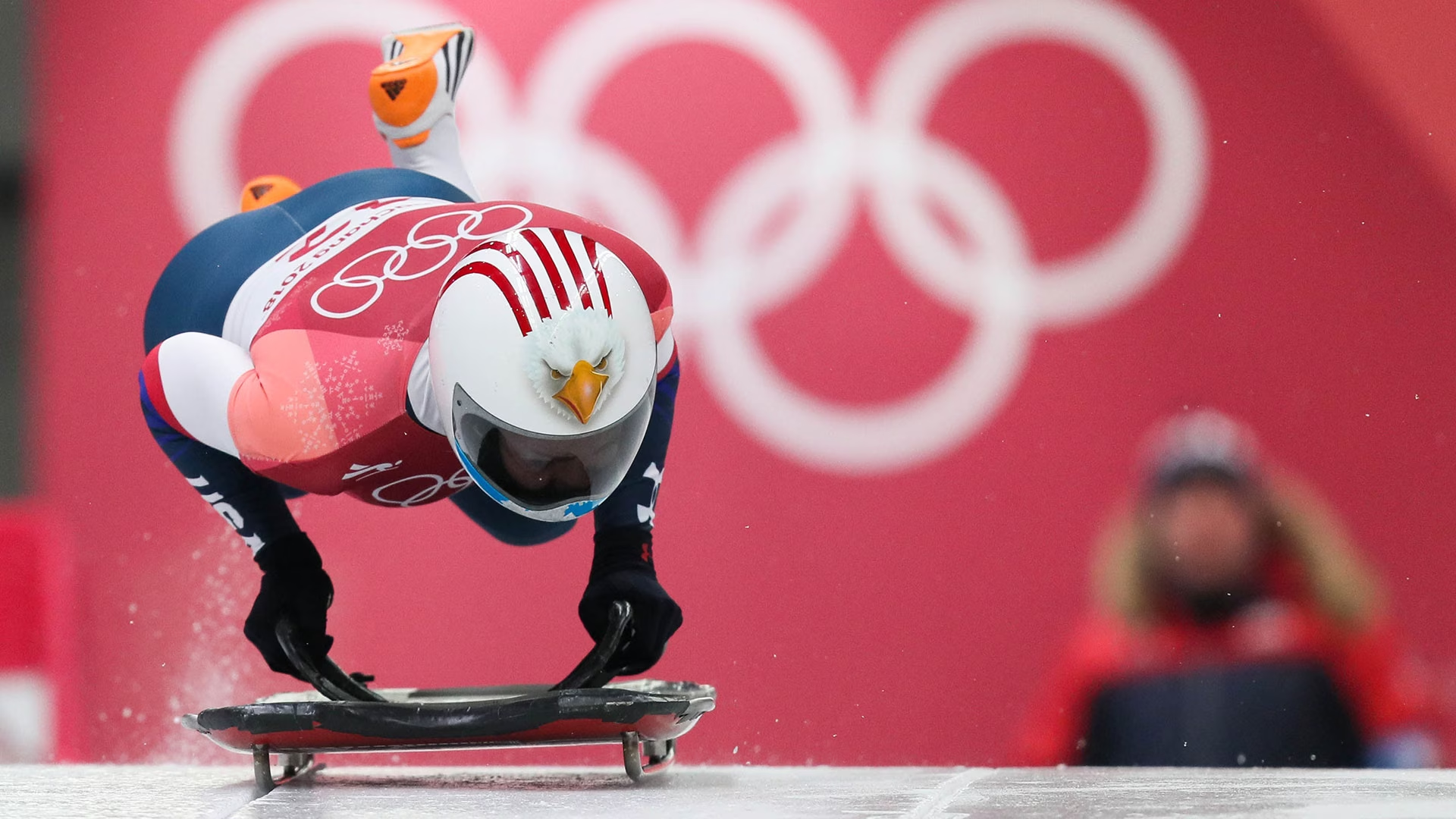
Introduction to Skeleton in the Winter Olympics
The sport of skeleton is one of the most thrilling and intense events in the Winter Olympics, captivating audiences with its combination of speed, skill, and precision. Athletes race down an icy track at exhilarating speeds, lying face down on a small sled, navigating turns and straightaways with remarkable agility. As the 2026 Winter Olympics in Milan and Cortina d’Ampezzo approach, interest in this exhilarating sport has surged.
History and Evolution of Skeleton
Skeleton has its origins in the late 19th century, with the first recorded event taking place in St. Moritz, Switzerland, in 1884. It evolved from the sport of luge and was first included in the Olympics in 1928. After being absent for several decades, skeleton made a comeback at the 2002 Salt Lake City Games and has been a regular feature ever since. The sport has grown in popularity and visibility, with many nations developing competitive teams.
The Mechanics of Skeleton
Skeleton is a race against the clock where competitors make timed runs on a narrow sled. The athletes launch themselves onto the sled using their own strength, typically reaching speeds of up to 130 km/h. Competitors must carefully navigate each twist and turn of the track, using subtle shifts in weight and body position to maintain control and speed. Each run is meticulously timed, with fractions of a second often deciding the gold medal.
Recent Developments and Key Athletes
As the upcoming Olympics draw near, teams are ramping up their training, with notable athletes emerging in the sport. The British team has seen strong performances from athletes like Laura Deas and Marcus Wyatt, while Canada’s women’s team is led by the formidable bones of Olympic champion, Kaetlyn Osmond. In recent World Cup events, these athletes have consistently showcased their talent, setting the stage for an exciting Olympic showdown.
Conclusion and Future of Skeleton
The skeleton event at the Winter Olympics continues to evolve, drawing in more talented athletes and increasing viewer engagement. With its unique thrill and intensity, the sport is likely to captivate audiences in 2026 and beyond. As nations invest in infrastructure and training for their skeleton teams, fans can expect close races and dramatic moments that will highlight the skill and bravery of these remarkable athletes. As the next Olympics approach, the world will be watching closely, eager to see how the sport unfolds in future competitions.