What is Fantasy Football?
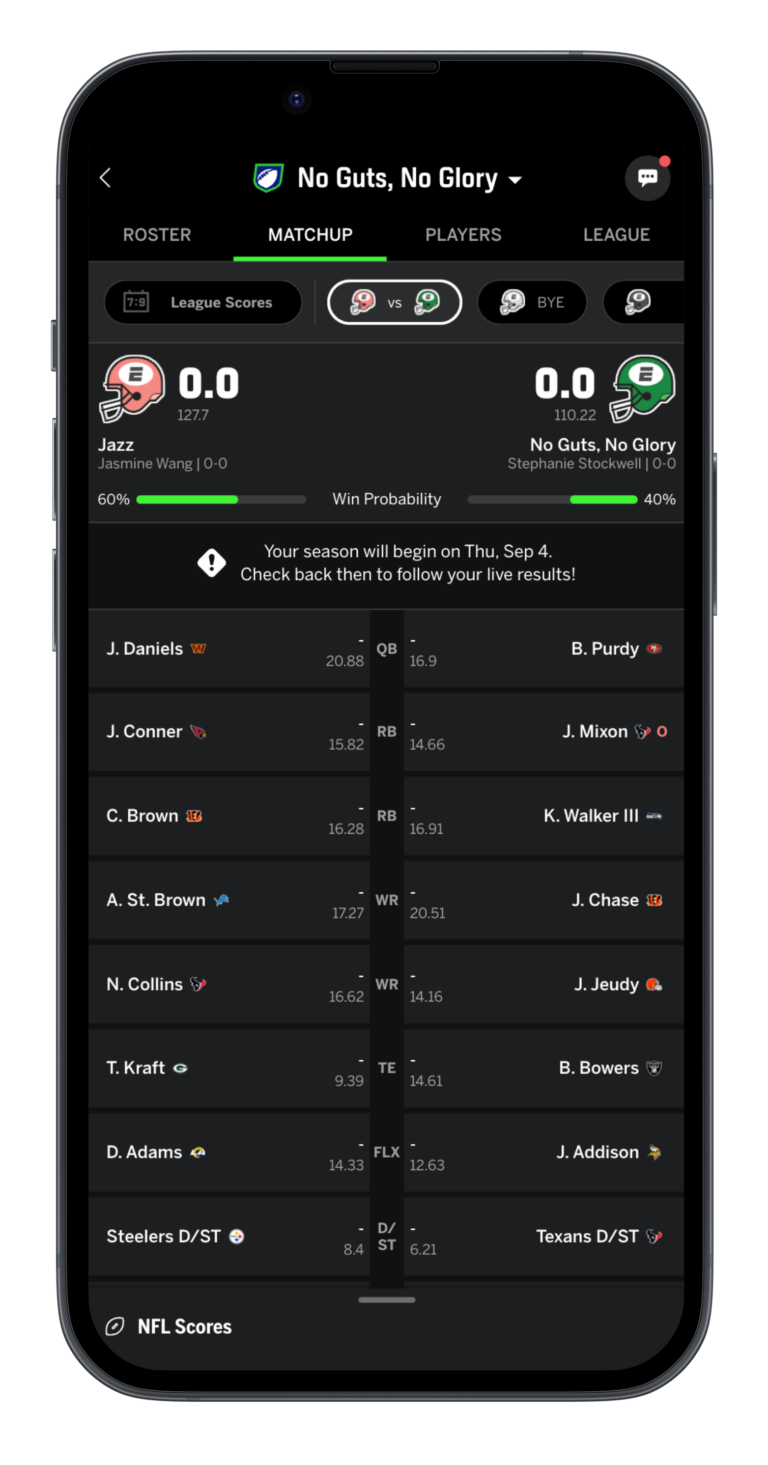
Fantasy football has grown in popularity over the past few decades, evolving from an obscure pastime into a major cultural phenomenon. With millions of fans participating around the world, it combines elements of strategy, luck, and camaraderie. Each season, participants construct their own virtual football teams made up of real-life players who earn points based on their on-field performances, making it an engaging way to enhance the enjoyment of watching football.
Recent Trends and Developments
Recent data shows a significant rise in fantasy football participation, particularly during the 2023 NFL season. According to the Fantasy Sports & Gaming Association (FSGA), around 60 million people in the United States and Canada play at least one fantasy sport, with football being the dominant choice. The rise is attributed to the increasing accessibility of online platforms, in-depth statistics, and analysis provided by various media outlets.
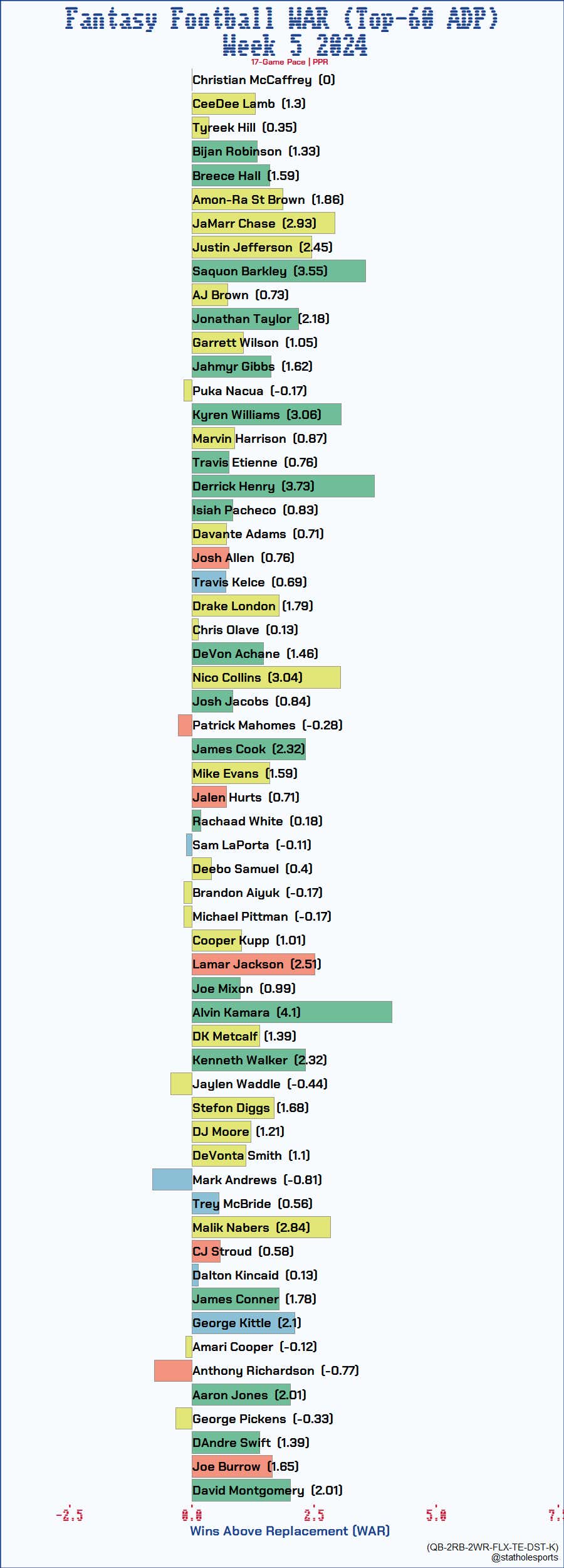
This season has witnessed thrilling developments, with rookie players rising to prominence and established stars struggling with injuries. As teams adapt to these changes, fantasy managers must stay on their toes, adjusting line-ups to maximise their players’ performances week after week. Events such as player trades, injuries, and even coaching changes can impact the fantasy landscape significantly. For instance, the injury to a top quarterback or a star running back can drastically alter the dynamics of teams across leagues.
Strategies for Success
To thrive in fantasy football, it is essential to employ sound strategies. Drafting efficiently is a critical first step—identifying high-potential players while considering factors like bye weeks and match-up specifics can set a team on the path to victory. Maintaining an active presence on waiver wire pickups, where managers can acquire players who may not have been drafted but show promise due to emerging scenarios, is also vital.
Additionally, engaging with online fantasy communities can provide valuable insights and analysis, helping managers to stay updated on player news and expert strategies. Fans make use of various tools and apps to track their teams’ performances, adding another layer of engagement to the overall experience.
The Future of Fantasy Football
As technology advances, the future of fantasy football appears bright. Innovations such as real-time data analytics and AI-driven insights are likely to enhance gameplay experiences. The integration of virtual reality (VR) could also change how fans interact with the fantasy landscape, creating immersive experiences.
Conclusion
Fantasy football is not merely a game; it has evolved into a community-driven platform where fans can engage more deeply with the sport they love. With millions participating each season, its significance continues to grow. As the landscape changes year to year, both casual fans and dedicated managers are sure to find excitement and connection through this ever-evolving game.