Introduction
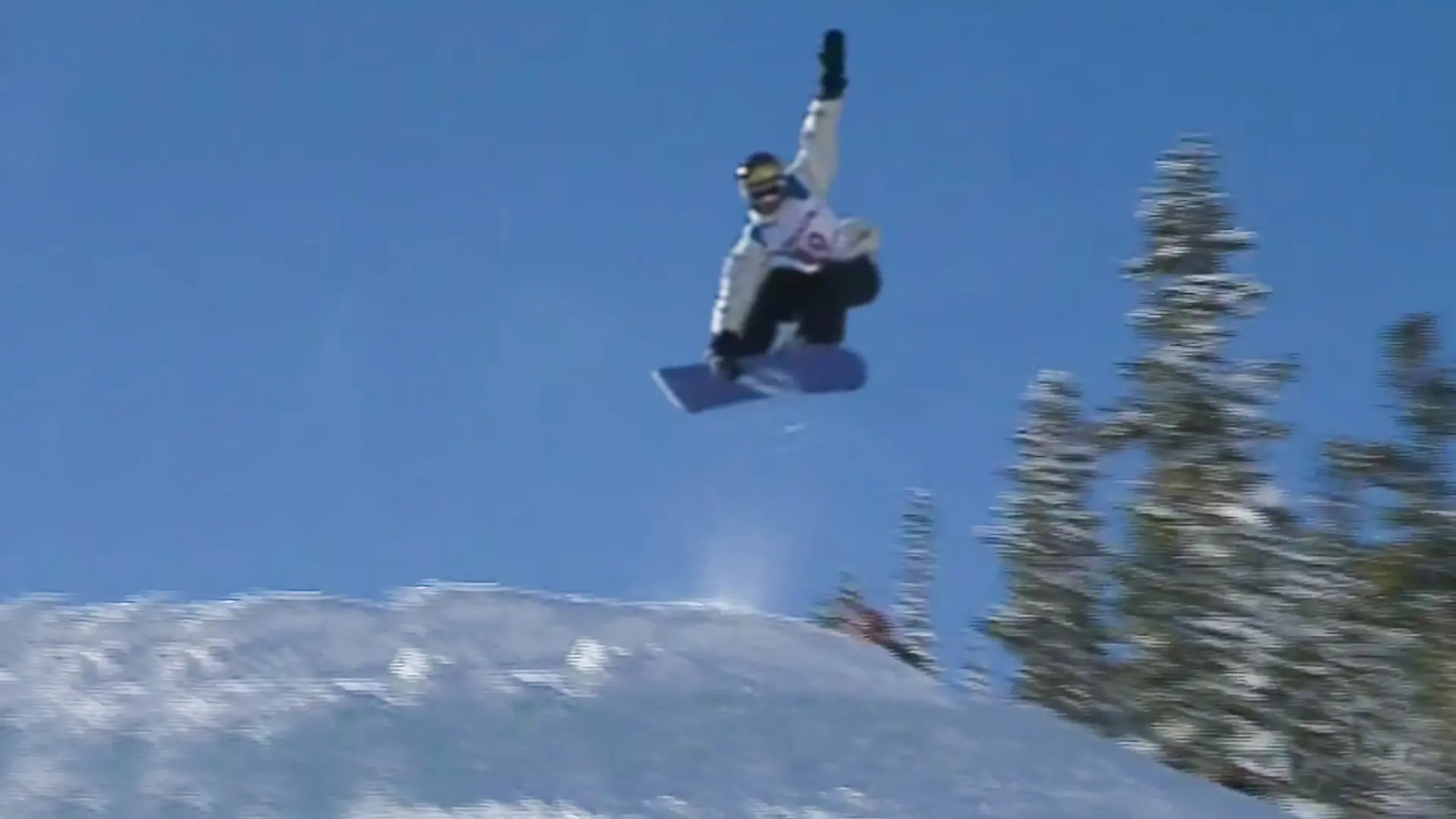
Big air snowboarding, a thrilling sport that combines speed, skill, and gravity-defying tricks, has captured the imagination of winter sports enthusiasts around the globe. With its inclusion in major competitions like the Winter Olympics, big air has risen to prominence, becoming a highlight within the snowboarding community. This article delves into recent events, trends, and the impact of big air snowboarding on the wider snow sports industry.
Recent Events in Big Air Snowboarding
In 2023, the World Cup tour saw remarkable performances, with athletes from various nations showcasing their talents. The big air events have taken place in picturesque locations, with the most notable being the Big Air World Cup in Aspen, Colorado, which drew large crowds and notable media coverage. Events like these are crucial for athletes looking to qualify for the upcoming Winter Olympics scheduled for 2026 in Milan-Cortina.
This year’s competition saw seasoned competitors like Marcus Kleveland from Norway, who recently landed a near-perfect score with a mind-boggling triple cork 1440, pushing the limits of the sport. His performance has not only inspired young athletes but has sparked discussions on the evolution of tricks and techniques in competitive snowboarding.
The Significance of Big Air Snowboarding
Big air snowboarding is not merely about individual performance; it represents a cultural phenomenon within extreme sports. The expression of style and creativity in tricks provides a unique platform for athletes to showcase their personalities. With sponsorship deals and social media platforms, many snowboarders are now able to build personal brands, gaining a significant following that extends beyond traditional winter sports fans.
Moreover, big air has made significant strides towards inclusivity, with more female competitors than ever participating in elite competitions. The recent spotlight on female athletes like Reira Iwabuchi, who secured a gold medal at the Aspen World Cup, highlights the increasing presence and representation of women in snowboarding, challenging gender stereotypes in extreme sports.
Conclusion
The rising popularity and significant impact of big air snowboarding cannot be overstated. As athletes continue to push the boundaries of what is possible on a snowboard, the sport will undoubtedly evolve. This creates an exciting forecast for younger generations of snowboarders eager to participate in both the competitive arena and the cultural landscape surrounding big air events. The future of big air snowboarding looks bright, with its thrilling showcases continuing to captivate audiences worldwide.




