Introduction
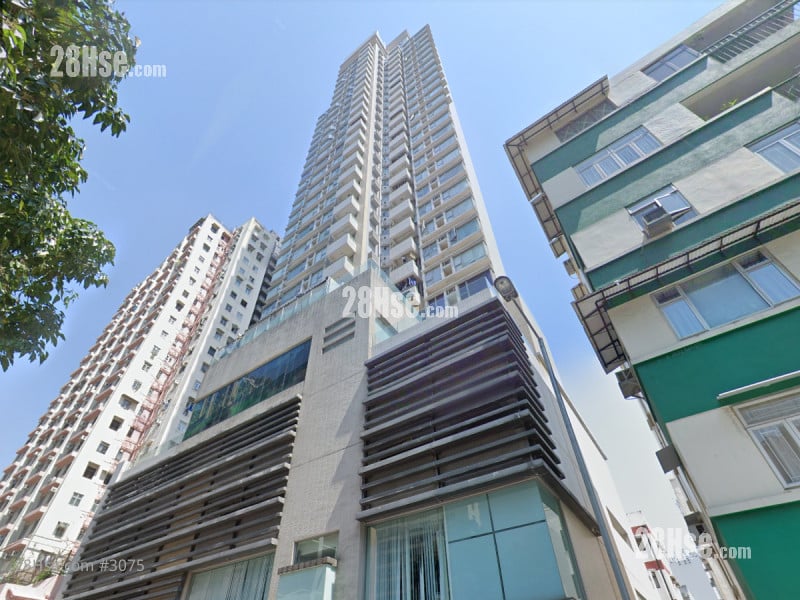
The rapid urbanisation of the world has made cities increasingly important in shaping the economic, social, and cultural fabric of society. Cities are not just geographical locations; they embody the aspirations, challenges, and innovations of their inhabitants. With over half of the global population now residing in urban areas, understanding the dynamics of cities is essential for addressing various contemporary issues, including housing, transport, and climate change.
Current Trends in Urban Development
Recent studies indicate that cities are becoming more than mere centres of commerce. They are also vital in promoting sustainability, technology, and social interaction. As cities face challenges like climate change and population growth, many are adopting smart technology to improve urban living. For instance, cities like Singapore and Amsterdam have integrated smart infrastructure, utilising sensors and data analytics to enhance transportation efficiency and manage energy consumption.
Moreover, the COVID-19 pandemic has prompted a reevaluation of urban spaces, with a growing focus on public health and community well-being. The necessity for green spaces, pedestrian-friendly areas, and improved ventilation in public buildings has taken precedence in city planning.
Climate Change and Resilience
Climate change poses a significant risk to urban environments. Cities typically produce over 70% of global greenhouse gas emissions, and as such, they are critical in spearheading climate action. Many urban areas are developing resilience strategies that encompass sustainability initiatives aimed at reducing carbon footprints. For example, cities like Copenhagen are at the forefront of striving for carbon neutrality by 2025, incorporating renewable energy sources and promoting cycling as a primary mode of transport.
Conclusion
As urban areas continue to grow, their significance in global dynamics increasingly comes to the fore. Cities have a unique opportunity to drive progress in both environmental sustainability and social equality. Urban planning that prioritises inclusive development holds the promise of making cities not just places to live but thriving ecosystems that reflect the best of human potential. Moving forward, it becomes essential for policymakers, community leaders, and citizens to collaborate in creating urban spaces that are prepared for the challenges of tomorrow. This cooperation will determine the success of our cities in achieving resilience, sustainability, and enhanced living conditions for all residents.



