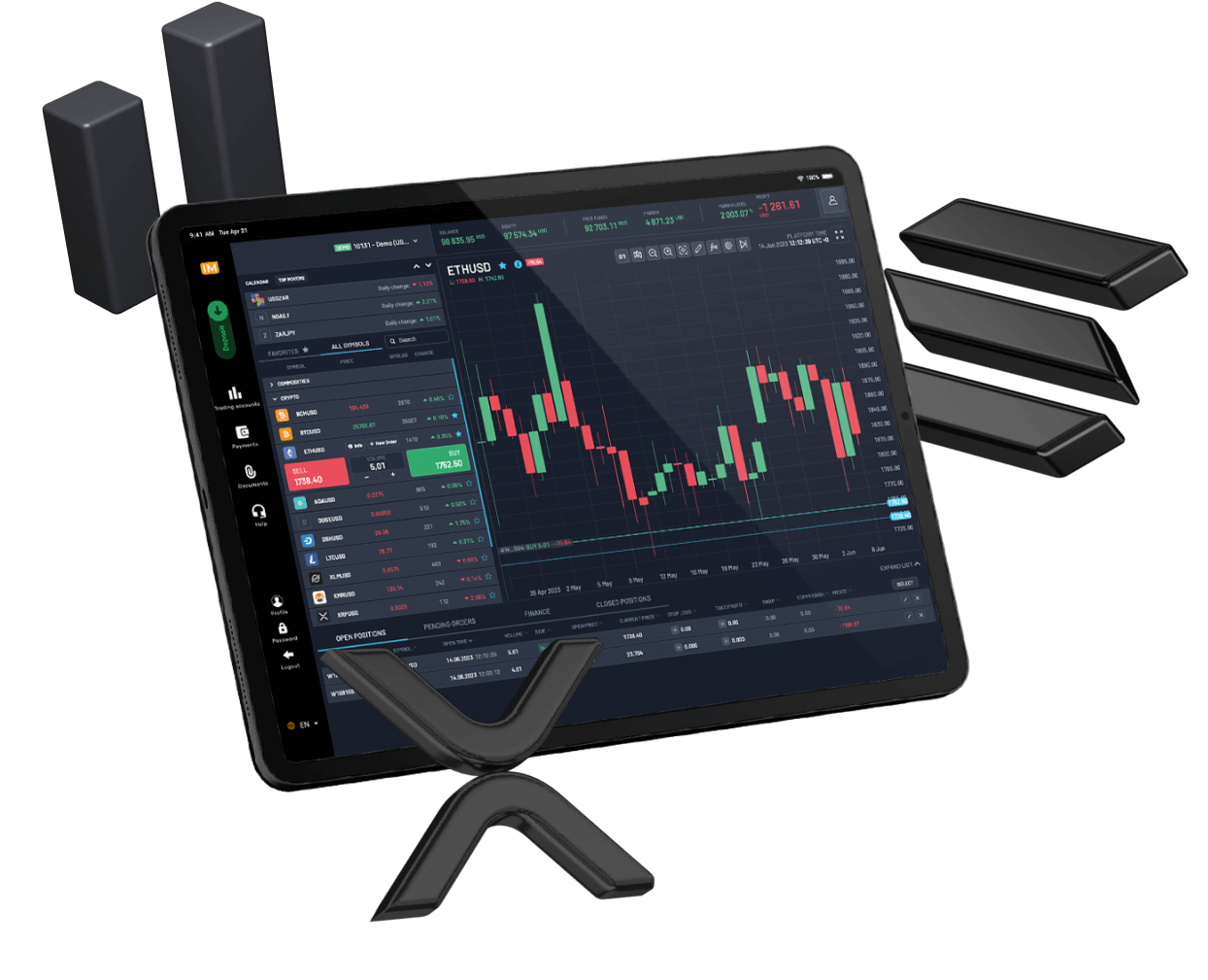
Introduction
Cryptocurrency trading has become a significant component of the global financial landscape, attracting millions of investors and traders alike. With the increasing integration of digital currencies into mainstream finance and the rise of blockchain technology, understanding the ins and outs of cryptocurrency trading is more crucial than ever.
Current Trends in Cryptocurrency Trading
As of October 2023, cryptocurrency trading continues to show robust growth, particularly with the ongoing adoption of decentralised finance (DeFi) and non-fungible tokens (NFTs). According to data from CoinMarketCap, the total cryptocurrency market capitalisation surpassed $2 trillion in October, indicating a rising interest among investors. Furthermore, platforms offering derivatives trading on cryptocurrencies have seen soaring trading volumes, showcasing the appetite for leveraged positions.
Additionally, the recent developments in major cryptocurrencies have driven the trading activity. Bitcoin’s increased institutional adoption and Ethereum’s upgrades have played a pivotal role in shaping market trends. With governments around the world exploring digital currencies, including central bank digital currencies (CBDCs), many traders are keeping a close eye on these developments to exploit future trading opportunities.
Key Considerations for Traders
As the market remains volatile, traders are advised to implement risk management strategies to safeguard their investments. Technical analysis and market sentiment are crucial in identifying entry and exit points in this unpredictable environment. Moreover, the rise of automated trading bots has provided a competitive edge for some traders, as these tools can efficiently execute trades based on predefined criteria.
Education plays a fundamental role in successful cryptocurrency trading. Many traders are turning to online courses, webinars, and community forums to enhance their knowledge and skills. This growing emphasis on education signifies a shift towards more informed trading practices within the cryptocurrency space.
Conclusion
In summary, cryptocurrency trading remains a dynamic and evolving facet of finance, presenting both opportunities and challenges. As the market continues to mature, traders must remain vigilant and adaptable to navigate the changes effectively. Keeping abreast of trends, utilising effective trading strategies, and engaging in continuous education will be essential for anyone looking to succeed in the world of cryptocurrency trading. The future of this market holds promise for innovation and growth, making it an exciting field for traders worldwide.